 www.bible.com/111/isa.54.10.niv
A good truth to remember during these days of the pandemic. Remember and be blessed!
I am a Christian, a retired teacher, a mother and a grandmother. I love to read and I love the Lord Jesus Christ! Unless otherwise specified ,all visual illustrations are from the YOU VERSION APP of the Bible.

www.bible.com/111/isa.54.10.niv
A good truth to remember during these days of the pandemic. Remember and be blessed!
 www.bible.com/111/1pe.3.13.niv
I hope this blesses each of you as it does me. God’s Word is filled with promises and hope! So join with me today in hope and in knowing that God’s love is greater than our problems.
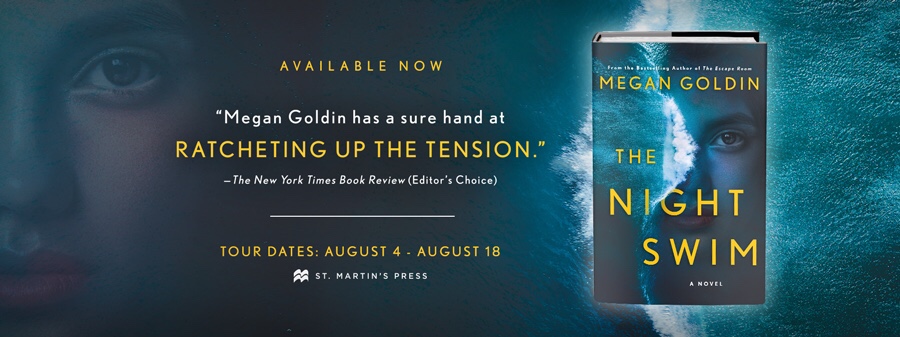
This was a WOW book from start to finish! I really looked forward to reading it because I had read THE ESCAPE ROOM and loved it. In her latest novel, Megan Goldin did an even better job of drawing me into the swirling waters of her plot and trapping me there. I loved every minute that I spent with Rachel, Hannah, Jenny and K. Rachel is a podcaster, in town to cover the rape trial of swimming champion Scott Blair. She is an investigative reporter who knows how to do her research and to track down witnesses. In the middle of her podcast that is a do or die for her career, she is contacted by a girl named Hannah who wants her to look into the death of her sister Jenny, a young teen who supposedly drowned twenty-five years ago. Rachel is interested in the rape trial, but she is totally absorbed by the tragic death of Jenny. I enjoyed the pacing of the plot, the different points of view and especially the transcripts of the podcasts. Everything was very realistically and sometimes graphically displayed. There were twists that were expected and then some that were total surprises, which made me rate the book even higher. If I could give it more than five stars, I definitely would! Fans of psychological drama and suspense will love this book!
Disclaimer
Disclosure of Material Connection: I received a complimentary copy of this book from the publisher via Netgalley. I was not required to write a positive review. The opinions expressed are my own. I am disclosing this in accordance with the Federal Trade Commission’s 16 CFR, Part 255, “Guides Concerning the Use of Testimonials and Endorsements in Advertising.”

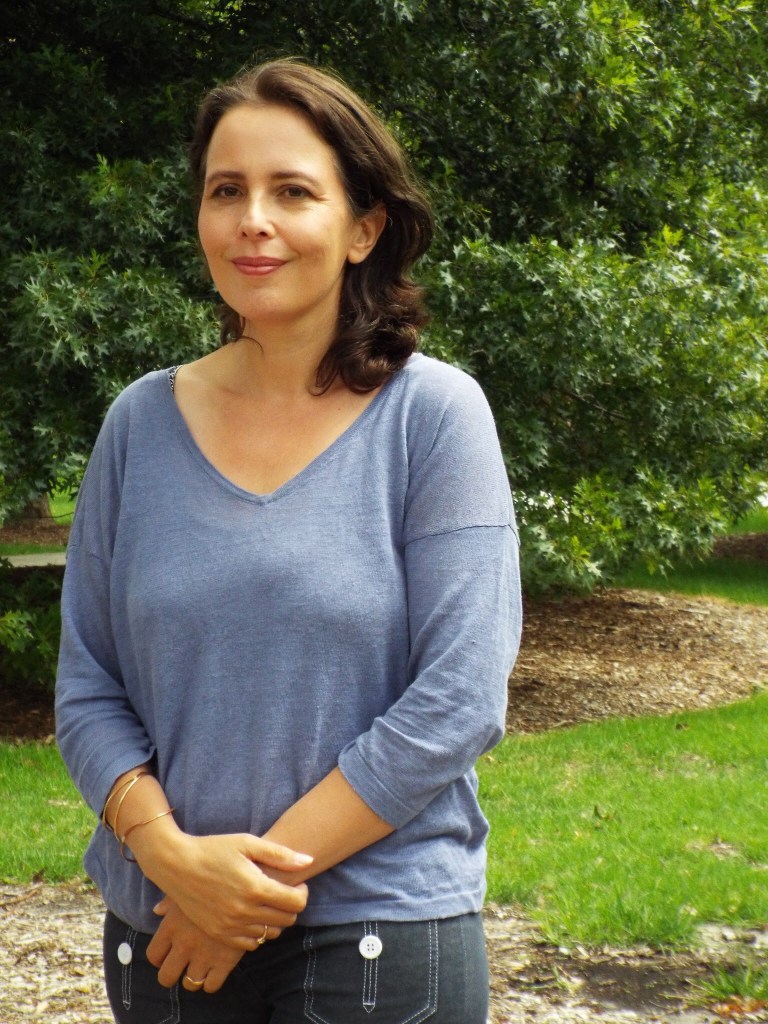
MEGAN GOLDIN worked as a correspondent for Reuters and other media outlets where she covered war, peace, international terrorism and financial meltdowns in the Middle East and Asia. She is now based in Melbourne, Australia where she raises three sons and is a foster mum to Labrador puppies learning to be guide dogs. The Escape Room was her debut novel.

Excerpt from The Night Swim by Megan Goldin
1
Hannah
It was Jenny’s death that killed my mother. Killed her as good as if she’d been shot in the chest with a twelve-gauge shotgun. The doctor said it was the cancer. But I saw the will to live drain out of her the moment the policeman knocked on our screen door.
“It’s Jenny, isn’t it?” Mom rasped, clutching the lapel of her faded dressing gown.
“Ma’am, I don’t know how to tell you other than to say it straight.” The policeman spoke in the low-pitched melancholic tone he’d used moments earlier when he’d pulled up and told me to wait in the patrol car as its siren lights painted our house streaks of red and blue.
Despite his request, I’d slipped out of the back seat and rushed to Mom’s side as she turned on the front porch light and stepped onto the stoop, dazed from being woken late at night. I hugged her withered waist as he told her what he had to say. Her body shuddered at each word.
His jaw was tight under strawberry blond stubble and his light eyes were watery by the time he was done. He was a young cop. Visibly inexperienced in dealing with tragedy. He ran his knuckles across the corners of his glistening eyes and swallowed hard.
“I’m s-s-sorry for your loss, ma’am,” he stammered when there was nothing left to say. The finality of those words would reverberate through the years that followed.
But at that moment, as the platitudes still hung in the air, we stood on the stoop, staring at each other, uncertain what to do as we contemplated the etiquette of death.
I tightened my small, girlish arms around Mom’s waist as she lurched blindly into the house. Overcome by grief. I moved along with her. My arms locked around her. My face pressed against her hollow stomach. I wouldn’t let go. I was certain that I was all that was holding her up.
She collapsed into the lumpy cushion of the armchair. Her face hidden in her clawed-up hands and her shoulders shaking from soundless sobs.
I limped to the kitchen and poured her a glass of lemonade. It was all I could think to do. In our family, lemonade was the Band-Aid to fix life’s troubles. Mom’s teeth chattered against the glass as she tilted it to her mouth. She took a sip and left the glass teetering on the worn upholstery of her armchair as she wrapped her arms around herself.
I grabbed the glass before it fell and stumbled toward the kitchen. Halfway there, I realized the policeman was still standing at the doorway. He was staring at the floor. I followed his gaze. A track of bloody footprints in the shape of my small feet was smeared across the linoleum floor.
He looked at me expectantly. It was time for me to go to the hospital like I’d agreed when I’d begged him to take me home first so that I could be with Mom when she found out about Jenny. I glared at him defiantly. I would not leave my mother alone that night. Not even to get medical treatment for the cuts on my feet. He was about to argue the point when a garbled message came through on his patrol car radio. He squatted down so that he was at the level of my eyes and told me that he’d arrange for a nurse to come to the house as soon as possible to attend to my injured feet. I watched through the mesh of the screen door as he sped away. The blare of his police siren echoed long after his car disappeared in the dark.
The nurse arrived the following morning. She wore hospital scrubs and carried an oversized medical bag. She apologized for the delay, telling me that the ER had been overwhelmed by an emergency the previous night and nobody could get away to attend to me. She sewed me up with black sutures and wrapped thick bandages around my feet. Before she left, she warned me not to walk, because the sutures would pop. She was right. They did.
Jenny was barely sixteen when she died. I was five weeks short of my tenth birthday. Old enough to know that my life would never be the same. Too young to understand why.
I never told my mother that I’d held Jenny’s cold body in my arms until police officers swarmed over her like buzzards and pulled me away. I never told her a single thing about that night. Even if I had, I doubt she would have heard. Her mind was in another place.
We buried my sister in a private funeral. The two of us and a local minister, and a couple of Mom’s old colleagues who came during their lunch break, wearing their supermarket cashier uniforms. At least they’re the ones that I remember. Maybe there were others. I can’t recall. I was so young.
The only part of the funeral that I remember clearly was Jenny’s simple coffin resting on a patch of grass alongside a freshly dug grave. I took off my hand-knitted sweater and laid it out on top of the polished casket. “Jenny will need it,” I told Mom. “It’ll be cold for her in the ground.”
We both knew how much Jenny hated the cold. On winter days when bitter drafts tore through gaps in the patched-up walls of our house, Jenny would beg Mom to move us to a place where summer never ended.
A few days after Jenny’s funeral, a stone-faced man from the police department arrived in a creased gabardine suit. He pulled a flip-top notebook from his jacket and asked me if I knew what had happened the night that Jenny died.
My eyes were downcast while I studied each errant thread in the soiled bandages wrapped around my feet. I sensed his relief when after going through the motions of asking more questions and getting no response he tucked his empty notebook into his jacket pocket and headed back to his car.
I hated myself for my stubborn silence as he drove away. Sometimes when the guilt overwhelms me, I remind myself that it was not my fault. He didn’t ask the right questions and I didn’t know how to explain things that I was too young to understand.
This year we mark a milestone. Twenty-five years since Jenny died. A quarter of a century and nothing has changed. Her death is as raw as it was the day we buried her. The only difference is that I won’t be silent anymore.
2
Rachel
A single streak of white cloud marred an otherwise perfect blue sky as Rachel Krall drove her silver SUV on a flat stretch of highway toward the Atlantic Ocean. Dead ahead on the horizon was a thin blue line. It widened as she drove closer until Rachel knew for certain that it was the sea.
Rachel glanced uneasily at the fluttering pages of the letter resting on the front passenger seat next to her as she zoomed along the right lane of the highway. She was deeply troubled by the letter. Not so much by the contents, but instead by the strange, almost sinister way the letter had been delivered earlier that morning.
After hours on the road, she’d pulled into a twenty-four-hour diner where she ordered a mug of coffee and pancakes that came covered with half-thawed blueberries and two scoops of vanilla ice cream, which she pushed to the side of her plate. The coffee was bitter, but she drank it anyway. She needed it for the caffeine, not the taste. When she finished her meal, she ordered an extra-strong iced coffee and a muffin to go in case her energy flagged on the final leg of the drive.
While waiting for her takeout order, Rachel applied eye drops to revive her tired green eyes and twisted up her shoulder-length auburn hair to get it out of her face. Rachel was tying her hair into a topknot when the waitress brought her order in a white paper bag before rushing off to serve a truck driver who was gesticulating angrily for his bill.
Rachel left a larger than necessary tip for the waitress, mostly because she felt bad at the way customers hounded the poor woman over the slow service. Not her fault, thought Rachel. She’d waitressed through college and knew how tough it was to be the only person serving tables during an unexpected rush.
By the time she pushed open the swinging doors of the restaurant, Rachel was feeling full and slightly queasy. It was bright outside and she had to shield her eyes from the sun as she headed to her car. Even before she reached it, she saw something shoved under her windshield wiper. Assuming it was an advertising flyer, Rachel abruptly pulled it off her windshield. She was about to crumple it up unread when she noticed her name had been neatly written in bold lettering: Rachel Krall (from the Guilty or Not Guilty podcast).
Rachel received thousands of emails and social media messages every week. Most were charming and friendly. Letters from fans. A few scared the hell out of her. Rachel had no idea which category the letter would fall into, but the mere fact that a stranger had recognized her and left a note addressed to her on her car made her decidedly uncomfortable.
Rachel looked around in case the person who’d left the letter was still there. Waiting. Watching her reaction. Truck drivers stood around smoking and shooting the breeze. Others checked the rigging of the loads on their trucks. Car doors slammed as motorists arrived. Engines rumbled to life as others left. Nobody paid Rachel any attention, although that did little to ease the eerie feeling she was being watched.
It was rare for Rachel to feel vulnerable. She’d been in plenty of hairy situations over the years. A month earlier, she’d spent the best part of an afternoon locked in a high-security prison cell talking to an uncuffed serial killer while police marksmen pointed automatic rifles through a hole in the ceiling in case the prisoner lunged at her during the interview. Rachel hadn’t so much as broken into a sweat the entire time. Rachel felt ridiculous that a letter left on her car had unnerved her more than a face-to-face meeting with a killer.
Deep down, Rachel knew the reason for her discomfort. She had been recognized. In public. By a stranger. That had never happened before. Rachel had worked hard to maintain her anonymity after being catapulted to fame when the first season of her podcast became a cultural sensation, spurring a wave of imitation podcasts and a national obsession with true crime.
In that first season, Rachel had uncovered fresh evidence that proved that a high school teacher had been wrongly convicted for the murder of his wife on their second honeymoon. Season 2 was even more successful when Rachel had solved a previously unsolvable cold case of a single mother of two who was bashed to death in her hair salon. By the time the season had ended, Rachel Krall had become a household name.
Despite her sudden fame, or rather because of it, she deliberately kept a low profile. Rachel’s name and broadcast voice were instantly recognizable, but people had no idea what she looked like or who she was when she went to the gym, or drank coffee at her favorite cafe, or pushed a shopping cart through her local supermarket.
The only public photos of Rachel were a series of black-and-white shots taken by her ex-husband during their short-lived marriage when she was at grad school. The photos barely resembled her anymore, maybe because of the camera angle, or the monochrome hues, or perhaps because her face had become more defined as she entered her thirties.
In the early days, before the podcast had taken off, they’d received their first media request for a photograph of Rachel to run alongside an article on the podcast’s then-cult following. It was her producer Pete’s idea to use those dated photographs. He had pointed out that reporting on true crime often attracted cranks and kooks, and even the occasional psychopath. Anonymity, they’d agreed, was Rachel’s protection. Ever since then she’d cultivated it obsessively, purposely avoiding public-speaking events and TV show appearances so that she wouldn’t be recognized in her private life.
That was why it was unfathomable to Rachel that a random stranger had recognized her well enough to leave her a personalized note at a remote highway rest area where she’d stopped on a whim. Glancing once more over her shoulder, she ripped open the envelope to read the letter inside:
Dear Rachel,
I hope you don’t mind me calling you by your first name. I feel that I know you so well.
She recoiled at the presumed intimacy of the letter. The last time she’d received fan mail in that sort of familiar tone, it was from a sexual sadist inviting her to pay a conjugal visit at his maximum-security prison.
Rachel climbed into the driver’s seat of her car and continued reading the note, which was written on paper torn from a spiral notebook.
I’m a huge fan, Rachel. I listened to every episode of your podcast. I truly believe that you are the only person who can help me. My sister Jenny was killed a long time ago. She was only sixteen. I’ve written to you twice to ask you to help me. I don’t know what I’ll do if you say no again.
Rachel turned to the last page. The letter was signed: Hannah. She had no recollection of getting Hannah’s letters, but that didn’t mean much. If letters had been sent, they would have gone to Pete or their intern, both of who vetted the flood of correspondence sent to the podcast email address. Occasionally Pete would forward a letter to Rachel to review personally.
In the early days of the podcast, Rachel had personally read all the requests for help that came from either family or friends frustrated at the lack of progress in their loved ones’ homicide investigations, or prisoners claiming innocence and begging Rachel to clear their names. She’d made a point of personally responding to each letter, usually after doing preliminary research, and often by including referrals to not-for-profit organizations that might help.
But as the requests grew exponentially, the emotional toll of desperate people begging Rachel for help overwhelmed her. She’d become the last hope of anyone who’d ever been let down by the justice system. Rachel discovered firsthand that there were a lot of them and they all wanted the same thing. They wanted Rachel to make their case the subject of the next season of her podcast, or at the very least, to use her considerable investigative skills to right their wrong.
Rachel hated that most of the time she could do nothing other than send empty words of consolation to desperate, broken people. The burden of their expectations became so crushing that Rachel almost abandoned the podcast. In the end, Pete took over reviewing all correspondence to protect Rachel and to give her time to research and report on her podcast stories.
The letter left on her windshield was the first to make it through Pete’s human firewall. This piqued Rachel’s interest, despite the nagging worry that made her double-lock her car door as she continued reading from behind the steering wheel.
It was Jenny’s death that killed my mother [the letter went on]. Killed her as good as if she’d been shot in the chest with a twelve-gauge shotgun.
Though it was late morning on a hot summer’s day and her car was heating up like an oven, Rachel felt a chill run through her.
I’ve spent my life running away from the memories. Hurting myself. And others. It took the trial in Neapolis to make me face up to my past. That is why I am writing to you, Rachel. Jenny’s killer will be there. In that town. Maybe in that courtroom. It’s time for justice to be done. You’re the only one who can help me deliver it.
The metallic crash of a minibus door being pushed open startled Rachel. She tossed the pages on the front passenger seat and hastily reversed out of the parking spot.
She was so engrossed in thinking about the letter and the mysterious way that it was delivered that she didn’t notice she had merged onto the highway and was speeding until she came out of her trancelike state and saw metal barricades whizzing past in a blur. She’d driven more than ten miles and couldn’t remember any of it. Rachel slowed down, and dialed Pete.
No answer. She put him on auto redial but gave up after the fourth attempt when he still hadn’t picked up. Ahead of her, the widening band of blue ocean on the horizon beckoned at the end of the long, flat stretch of highway. She was getting close to her destination.
Rachel looked into her rearview mirror and noticed a silver sedan on the road behind her. The license plate number looked familiar. Rachel could have sworn that she’d seen the same car before over the course of her long drive. She changed lanes. The sedan changed lanes and moved directly behind her. Rachel sped up. The car sped up. When she braked, the car did, too. Rachel dialed Pete again. Still no answer.
“Damn it, Pete.” She slammed her hands on the steering wheel.
The sedan pulled out and drove alongside her. Rachel turned her head to see the driver. The window was tinted and reflected the glare of the sun as the car sped ahead, weaving between lanes until it was lost in a sea of vehicles. Rachel slowed down as she entered traffic near a giant billboard on a grassy embankment that read: WELCOME TO NEAPOLIS. YOUR GATEWAY TO THE CRYSTAL COAST.
Neapolis was a three-hour drive north of Wilmington and well off the main interstate highway route. Rachel had never heard of the place until she’d chosen the upcoming trial there as the subject of the hotly anticipated third season of Guilty or Not Guilty.
She pulled to a stop at a red traffic light and turned on the car radio. It automatically tuned into a local station running a talkback slot in between playing old tracks of country music on a lazy Saturday morning. She surveyed the town through the glass of her dusty windshield. It had a charmless grit that she’d seen in a hundred other small towns she’d passed through over her thirty-two years. The same ubiquitous gas station signs. Fast-food stores with grimy windows. Tired shopping strips of run-down stores that had long ago lost the war with the malls.
“We have a caller on the line,” the radio host said, after the final notes of acoustic guitar had faded away. “What’s your name?”
“Dean.”
“What do you want to talk about today, Dean?”
“Everyone is so politically correct these days that nobody calls it as they see it. So I’m going to say it straight out. That trial next week is a disgrace.”
“Why do you say that?” asked the radio announcer.
“Because what the heck was that girl thinking!”
“You’re blaming the girl?”
“Hell yeah. It’s not right. A kid’s life is being ruined because a girl got drunk and did something dumb that she regretted afterward. We all regret stuff. Except we don’t try to get someone put in prison for our screw-ups.”
“The police and district attorney obviously think a crime has been committed if they’re bringing it to trial,” interrupted the host testily.
“Don’t get me wrong. I feel bad for her and all. Hell, I feel bad for everyone in this messed-up situation. But I especially feel bad for that Blair boy. Everything he worked for has gone up in smoke. And he ain’t even been found guilty yet. Fact is, this trial is a waste. It’s a waste of time. And it’s a waste of our taxes.”
“Jury selection might be over, but the trial hasn’t begun, Dean,” snapped the radio announcer. “There’s a jury of twelve fine citizens who will decide his guilt or innocence. It’s not up to us, or you, to decide.”
“Well, I sure hope that jury has their heads screwed on right, because there’s no way that anyone with a shred of good old-fashioned common sense will reach a guilty verdict. No way.”
The caller’s voice dropped out as the first notes of a hit country-western song hit the airwaves. The announcer’s voice rose over the music. “It’s just after eleven A.M. on what’s turning out to be a very humid Saturday morning in Neapolis. Everyone in town is talking about the Blair trial that starts next week. We’ll take more callers after this little tune.”
Copyright © 2020 by Megan Goldin
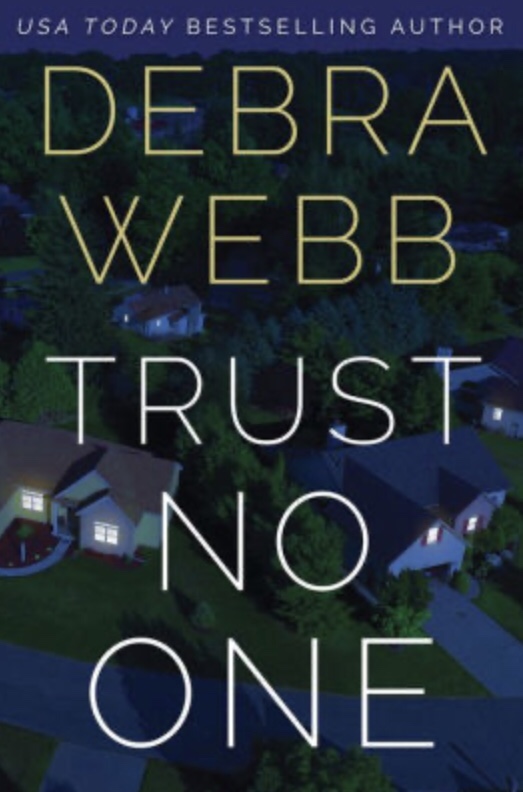
Debra Webb’s latest suspense thriller is a blockbuster for sure! The story of Detectives Kerri Devlin and Falco is spun quickly into a web of deceit and twists that makes it hard to guess whodunit. Perfect read for fans of mystery and suspense! The thriller part comes in with the fast pace and the crimes that are committed against some of the most powerful and wealthy families in Birmingham, Alabama. I read several books at a time, but I have to say that this one was hard to put down. Kerri has a sub-plot involving her ex-husband and her rebellious teen daughter, so that made her life seem very realistic. The beginning is explosive and twists and turns around to bring you right back to where you started. Masterful plot! There were a lot of bad guys and I wasn’t convinced at times that the detectives would be able to solve the crime sprees and find the killers without getting hurt themselves. The case becomes real and personal to Kerri quickly, and Falco joins her in the quest to find the missing women before they are harmed. I loved this book! Best one yet by Debra Webb, and she really knows how to spin a good story. This one was so complex and well-written that I felt like I was actually in Birmingham and helping Kerri solve the crimes. Fans of mystery, suspense and thrillers will want to read this one and then maybe read it again to find the clues that they missed the first time.
Disclaimer
Disclosure of Material Connection: I received a complimentary copy of this book from the author. I was not required to write a positive review. The opinions expressed are my own. I am disclosing this in accordance with the Federal Trade Commission’s 16 CFR, Part 255, “Guides Concerning the Use of Testimonials and Endorsements in Advertising.”


Dr. Faith Finley is a renowned psychologist and is married to Liam, a famous food critic. Everything is good in her life until it isn’t. On her trip home after a book signing, Faith crashes the car and Liam disappears. The assumption is that she did something to him. Then she starts getting threats herself, photos of a woman bound and gagged with excerpts from her recent book. Faith seeks the help of her former boyfriend Will to protect her and to find out what happened to Liam and what is happening to her. Although this book stretches the realm of imagination, the author is brilliant in her depiction of Faith’s fear and all of the undercurrents of tension going on all at once. I don’t think I have read a book that kept my attention as well as this one did. I soared through the pages, wanting to know where Liam was, why Faith was being threatened and who could be trusted. Although the beginning was slow, the pace picked up quickly and raced to a stunning conclusion. Fans of psychological thrillers and suspense will enjoy this book.
Disclaimer
Disclosure of Material Connection: I received a complimentary copy of this book from the publisher via Netgalley. I was not required to write a positive review. The opinions expressed are my own. I am disclosing this in accordance with the Federal Trade Commission’s 16 CFR, Part 255, “Guides Concerning the Use of Testimonials and Endorsements in Advertising.”


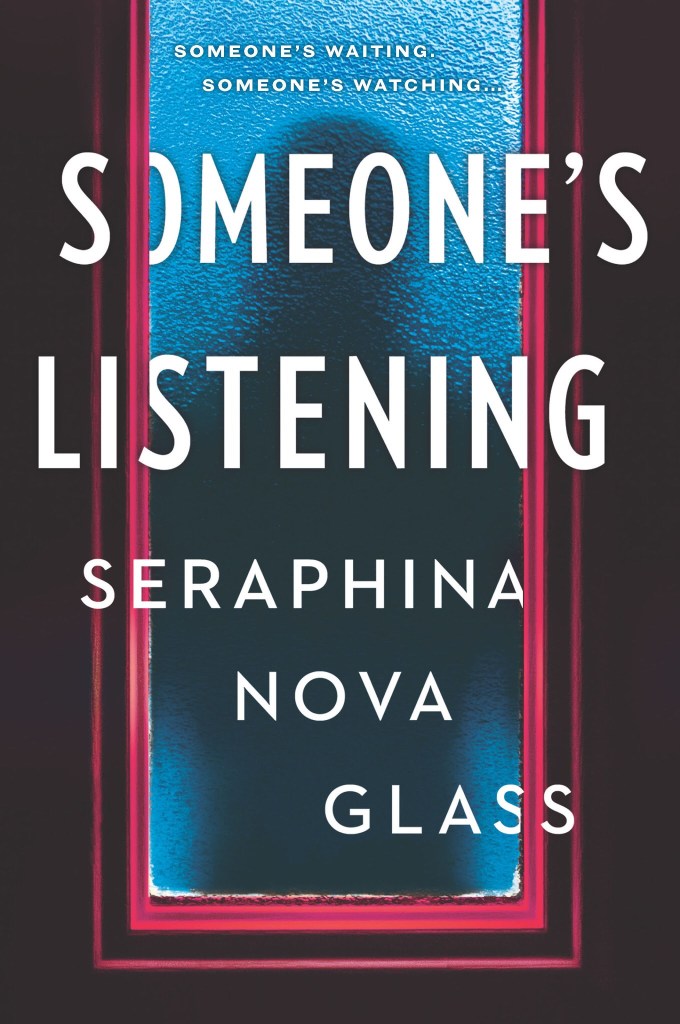
PROLOGUE
WHEN I WAKE UP, IT’S BLACK AND STILL; I FEEL A light, icy snow that floats rather than falls, and I can’t open my eyes. I don’t know where I am, but it’s so quiet, the silence rings in my ears. My fingertips try to grip the ground, but I feel only a sheet of ice beneath me, splintered with bits of embedded gravel. The air is sharp, and I try to call for him, but I can’t speak. How long have I been here? I drift back out of consciousness. The next time I wake, I hear the crunching of ice under the boots of EMTs who rush around my body. I know where I am. I’m lying in the middle of County Road 6. There has been a crash. There’s a swirling red light, a strobe light in the vast blackness: they tell me not to move.
“Where’s my husband?” I whimper. They tell me to try not to talk either. “Liam!” I try to yell for him, but it barely escapes my lips; they’re numb, near frozen, and it comes out in a hoarse whisper. How has this happened?
I think of the party and how I hate driving at night, and how I was careful not to drink too much. I nursed a glass or two, stayed in control. Liam had a lot more. It wasn’t like him to get loaded, and I knew it was his way of getting back at me. He was irritated with me, with the position I’d put him in, even though he had never said it in so many words. I wanted to please him because this whole horrible situation was my fault, and I was sorry.
When I wake up again I’m in a hospital room, connected to tubes and machines. The IV needle is stuck into a bruised, purple vein in the back of my hand that aches. In the dim light, I sip juice from a tiny plastic cup, and the soft beep of the EKG tries to lull me back to sleep, but I fight it. I want answers. I need to appear stabilized and alert. Another dose of painkiller is released into my IV; the momentary euphoria forces me to heave a sigh. I need to keep my eyes open. I can hear the cops arrive and talk to someone at a desk outside my door. They’ll tell me what happened.
There’s a nurse who calls me “sweetie” and changes the subject when I ask about the accident. She gives the cops a sideways look when they come in to talk to me, and tells them they only have a few minutes and that I need to rest.
Detective John Sterling greets me with a soft “Hello, ma’am.” I almost forget about my shattered femur and groan after I move too quickly. Another officer lingers by the door, a tall, stern-looking woman with her light hair pulled into a tight bun at the base of her skull. She tells me I’m lucky to be alive, and if it had dropped below freezing, I wouldn’t have lasted those couple hours before a passing car stopped and called 911. I ask where Liam is, but she just looks to Sterling. Something is terribly wrong.
“Why won’t anyone tell me what happened to him?” I plead. I watch Detective Sterling as he picks his way through a response.
“The nurse tells me that you believe he was in the car with you at the time of the accident,” he says. I can hear the condescension in his voice. He’s speaking to me like I’m a child.
“They said ‘I believe’ he was? That’s not a— That’s a fact. We came from a party—a book signing party. Anyone, anyone can tell you that he was with me. Please. Is he hurt?” I look down at my body for the first time and see the jagged stitches holding together the bruised flesh of my right arm. They look exaggerated, like the kind you might draw on with makeup and glue for a Halloween costume. I close my eyes, holding back nausea. I try to walk through the series of events—trying to piece together what happened and when.
Liam had been quiet in the car. I knew he’d believed me after the accusations started. I knew he trusted me, but maybe I’d underestimated the seeds of doubt that had been planted in his mind. I tried to lighten the mood when we got in the car by making some joke about the fourteen-dollar domestic beers; he’d given a weak chuckle and rested his head on the passenger window.
The detective looks at me with something resembling sympathy but closer to pity.
“Do you recall how much you had to drink last night?” he asks accusingly.
“What? You think…? No. I drove because he… No! Where is he?” I ask, not recognizing my own voice. It’s haggard and raw.
“Do you recall taking anything to help you relax? Anything that might impair your driving?”
“No,” I snap, nearly in tears again.
“So, you didn’t take any benzodiazepine maybe? Yesterday…at some point?”
“No— I— Please.” I choke back tears. “I don’t…” He looks at me pointedly, then scribbles something on his stupid notepad. I didn’t know what to say. Liam must be dead, and they think I’m too fragile to take the news. Why would they ask me this?
“Ma’am,” he says, standing. He softens his tone. This is it. He’s going to tell me something I’ll never recover from.
“You were the only one in the car when medics got there,” he says, studying me for my response, waiting to detect a lie that he can use against me later. His patronizing look infuriates me.
“What?” The blood thumps in my ears. They think I’m crazy; that soft tone isn’t a sympathetic one reserved for delivery of the news that a loved one has died—it’s the careful language chosen when speaking to someone unstable. They think I’m some addict or a drunk. Maybe they think the impact had made me lose the details, but he was there. I swear to God. His cry came too late and there was a crash. It was deafening, and I saw him reach for me, his face distorted in terror. He tried to shield me. He was there. He was next to me, screaming my name when we saw the truck headlights appear only feet in front of us—too late.
Excerpted from Someone’s Listening by Seraphina Nova Glass, Copyright © 2020 by Seraphina Nova Glass.
Published by Graydon House Books
Harlequin
Barnes & Noble
Amazon
Books-A-Million
Powell’s


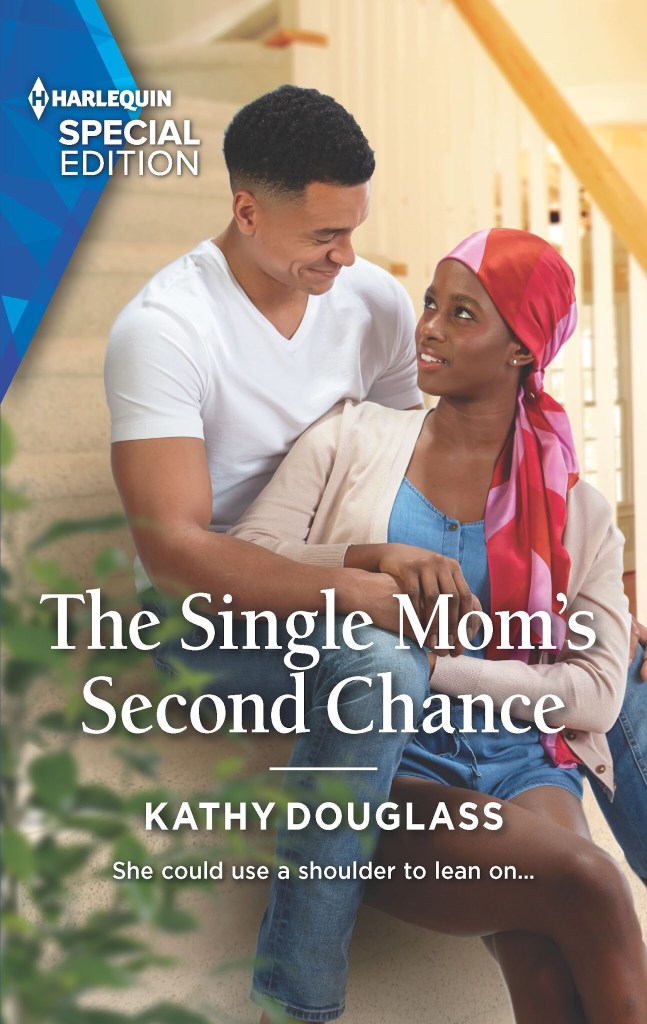
What an excellent, heart-tingling in all the right places kind of book! Roz had a hard life as a child, ended up marrying the brother of her childhood sweetheart and now she has been diagnosed with cancer. A widow with three children she has no one else to call on except her brother-in-law, Paul Martin. Paul reluctantly leaves his prosperous fitness center empire behind to go to Sweet Briar to help Roz as she undergoes treatment and hopefully recovers. This book touched me in all of the right ways. With a theme of forgiveness and second chances, it was well-written with charming characters. Little Suzanne, a precocious six year old, is totally besotted with her Uncle Paul as he helps her to overcome her fears about her mommy’s future. Nathaniel, a mature eleven year old, is happy to have the help with his mom and sisters and needs the role model that Paul provides. Roz and Paul have a long way on a separate journey to go before there is even the possibility that they can get together again. This is a totally clean read, which is always a real bonus to me. Fans of romance that is uplifting will enjoy this book. Even if you are like me and have not read any of the other Sweet Briar books, you will definitely find something to enjoy in this one: love, hope, laughter, and even a few tears.
Disclaimer
Disclosure of Material Connection: I received a complimentary copy of this book from the publisher via Netgalley. I was not required to write a positive review. The opinions expressed are my own. I am disclosing this in accordance with the Federal Trade Commission’s 16 CFR, Part 255, “Guides Concerning the Use of Testimonials and Endorsements in Advertising.”



Sales Links:
Excerpt, THE SINGLE MOM’S SECOND CHANCE by Kathy Douglass
Paul drummed his fingers on his desktop. “Do you want to get to the reason you barged into my office today? I’m sure it wasn’t just to look at me.”
Roz’s face grew hot as she struggled to keep from staring at him. As a teenager, he’d been dedicated to clean living and his body had reflected that. The years had been very good to him. He was six feet two inches of lean muscle. His brown skin glowed with good health, and his face was beyond hand-some, even with his eyes narrowed with irritation.
She took a breath but the word cancer clogged her throat, leaving her unable to speak. To her horror, her eyes filled with tears and her vision blurred. Blinking back the moisture, she forced herself to talk. “I need your help.”
“With what? Not that it matters. The answer is no. We don’t have that type of relationship. Remember? If you’d thought it through, you could have saved yourself the trouble and me the time and aggravation.”
“Are you still holding what happened when we were kids against me?”
“No. But I’m not willing to pretend that we’re friends either. And since Terrence has died, we are no longer family.” He made air quotes with his hands making it clear he’d never accepted her as part of the family.
“Do you consider my kids your nephew and nieces? Are they still your family? Do you still love them?”
“Of course I love them. What do they have to do with this favor of yours?”
“Everything. If not for them I wouldn’t be interrupting your workday.” The annoyed look on his face indicated that her time was coming to an end. Since there was no easy way to say it and she doubted the word would affect him the way it affected her, she just blurted it out. “I have cervical cancer.”
He blinked and jerked as if she’d given him an electric shock. “What?”
“You heard me.” She couldn’t say it again. Her voice wobbled and one of the tears she’d tried so hard to hold back escaped and then slid down her face. She brushed it away, hoping he hadn’t seen it. She didn’t want Paul to see her cry. He might accuse her of using her tears as a weapon, and she wasn’t pre-pared for that battle.
His mouth moved but no sound emerged. She could relate. She’d been floored when her doctor had delivered the news. Though she’d been sitting down, her knees had shaken like Jell-O in an earth-quake. Even now, it was a struggle to stand. But she couldn’t worry about his state of mind. She needed to get to the point of this meeting. “I’m going to be undergoing chemotherapy and having surgery soon.”
When he simply stared at her, his face devoid of all expression, she continued. “I won’t be able to take care of my kids. I have friends who will help me but that won’t be enough. I’m going to need live-in help. Hiring someone is out of the question. I don’t want my kids to have to adjust to a stranger in the house in addition to dealing with my illness. If there were someone else I could go to for help, I would. But there isn’t. Your mother offered to postpone their cruise again, but I can’t ask them to do that. Your father needs to get away from here in order to move past his grief and start living again. So I need someone—you—to come to Sweet Briar.”
Paul’s head was swimming and he fought against a sudden wave of dizziness. Cancer. Roz had cancer. The word echoed in his brain, then slammed repeatedly against his skull. It didn’t make sense. How could she be so sick?
She looked fine. She’d always been slender, with small breasts, a tiny waist and slim hips, but, upon closer examination, she did appear a little thinner than she’d been at Terrence’s funeral last year. Her white top was a bit loose and she kept adjusting the strap, preventing it from slipping off her shoulder. Although her face was as beautiful as ever, the spark in her eyes had been replaced by fear and her brown skin looked dull. Her lips trembled as she tried to smile. Apparently, her mouth refused to cooperate, and after a moment, she gave up the attempt.
“I know it will be inconvenient for you, but you’re my only hope. I’m determined to get well fast, so you shouldn’t have to stay for long. And Nathaniel is old enough to help with Megan and Suzanne.”
It took a minute for her rapidly spoken words to register. Was she still trying to convince him? Was she that uncertain that she could rely on him? “Of course I’ll come. Whatever you need.”
Her body sagged in relief. “Thank you.”
“Did you think I’d say no?”
“To be honest, I wasn’t sure. I’d hoped you’d say yes but I came prepared to be turned down.”
Considering that he’d initially said no before knowing what she needed, there was nothing he could say in his defense. “When did you get your diagnosis?”
“A week ago.”
A week? And she hadn’t said anything to him? “Why didn’t you tell me sooner?”
Her eyes widened. “Are you kidding me? We haven’t spoken a civil word to each other in years unless there was someone else around. As you just pointed out, we’re neither family nor friends.”
The words sounded so much crueler now. He’d been unnecessarily harsh. Shame battered him, leaving him speechless.
“My oncologist is working on a treatment plan. He’ll have it together by Friday, with dates and schedules. I’ll check with you before I confirm any-thing with him, to make sure you’re available first.”
“You don’t have to do that. I’ll be there whenever you need me to be.”
“Just like that?”
“Just like that.”

No one reasons better than Dr. James Dobson. I’m voting my Christian values on November 3rd. I will be silent no longer!
America’s Civil War Then and Now
I hope that you will join me in encouraging those who have been silently suffering through the pandemic and chaos to vote. I’m not telling anyone how to vote. I’m saying to vote your conscience and let God’s Word be your final guide.
Blessings, my friends.
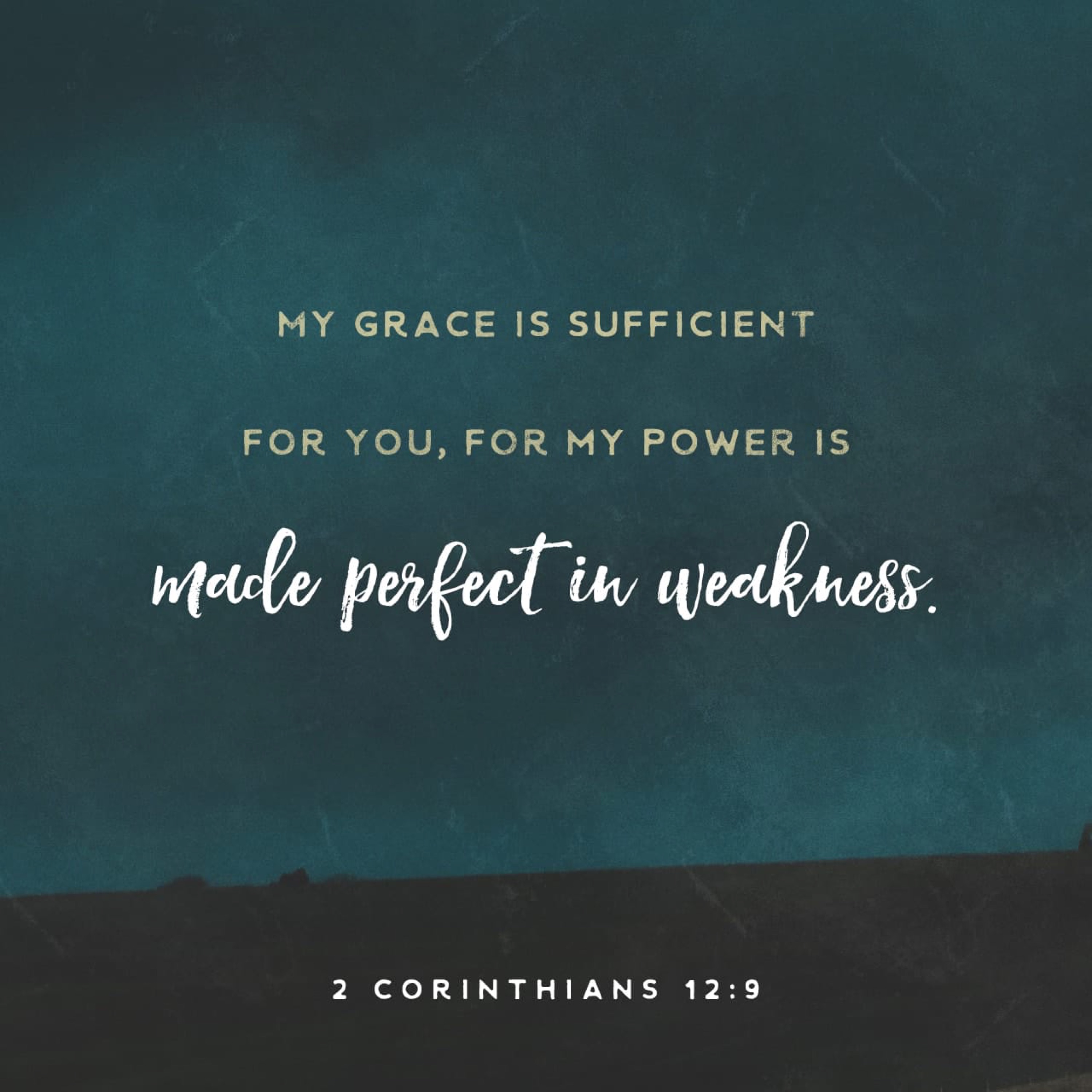 www.bible.com/111/2co.12.9.niv

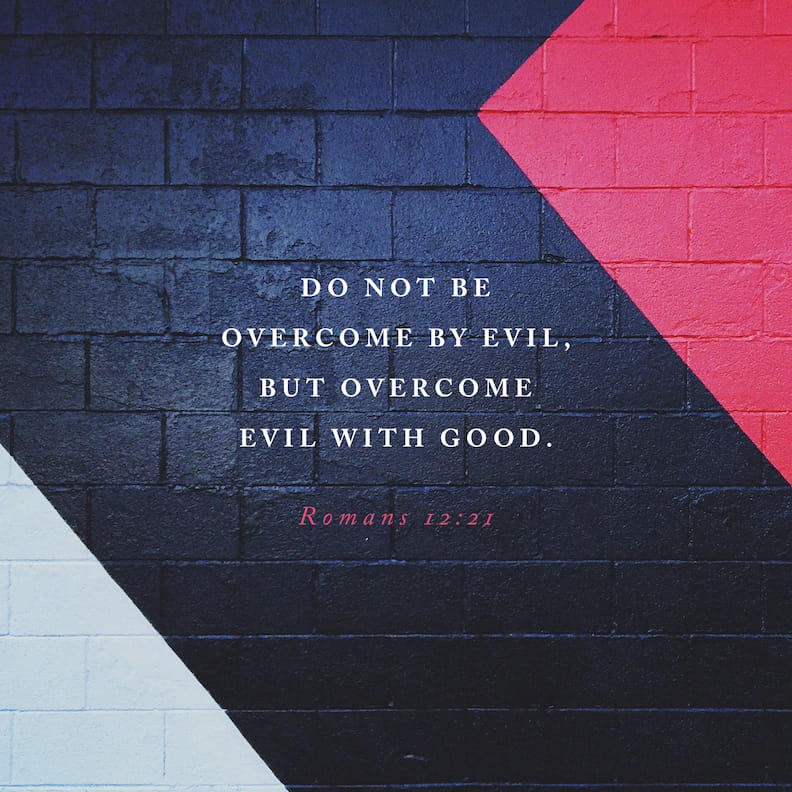
Just sharing scriptures from my devotionals. I will leave them here for you to think about. God bless each of you with a safe and productive day!
BE NICE, BE VERY NICE…
— Read on becominghistapestry.com/2020/07/28/be-nice-be-very-nice/
Please go to the original post and follow Brenda. This post is amazingly insightful and encouraging!
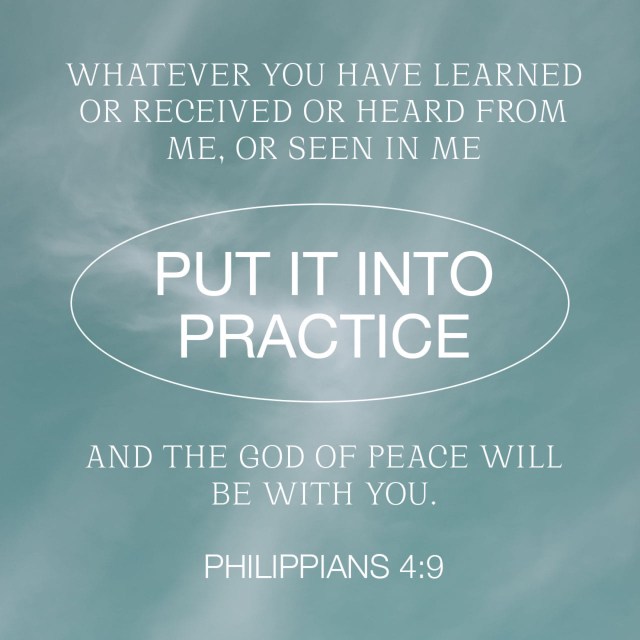 www.bible.com/1171/php.4.9.mev
 Vickie's Book Nook and Meditation Corner