
From the YouVersion Bible App, “Advent, Day 11”
3 Ways to Practice Peace Today
Throughout the Bible, we see examples of peace being a state of wholeness, calm, and renewal between God and His people. In the different stories from the last few days, we might notice that peace isn’t a one-and-done experience. Instead, it’s an ongoing process that ultimately brings us closer to God.
People in Scripture lived in the tension of receiving God’s peace each day, while also finding ways to share His peace with the people around them.
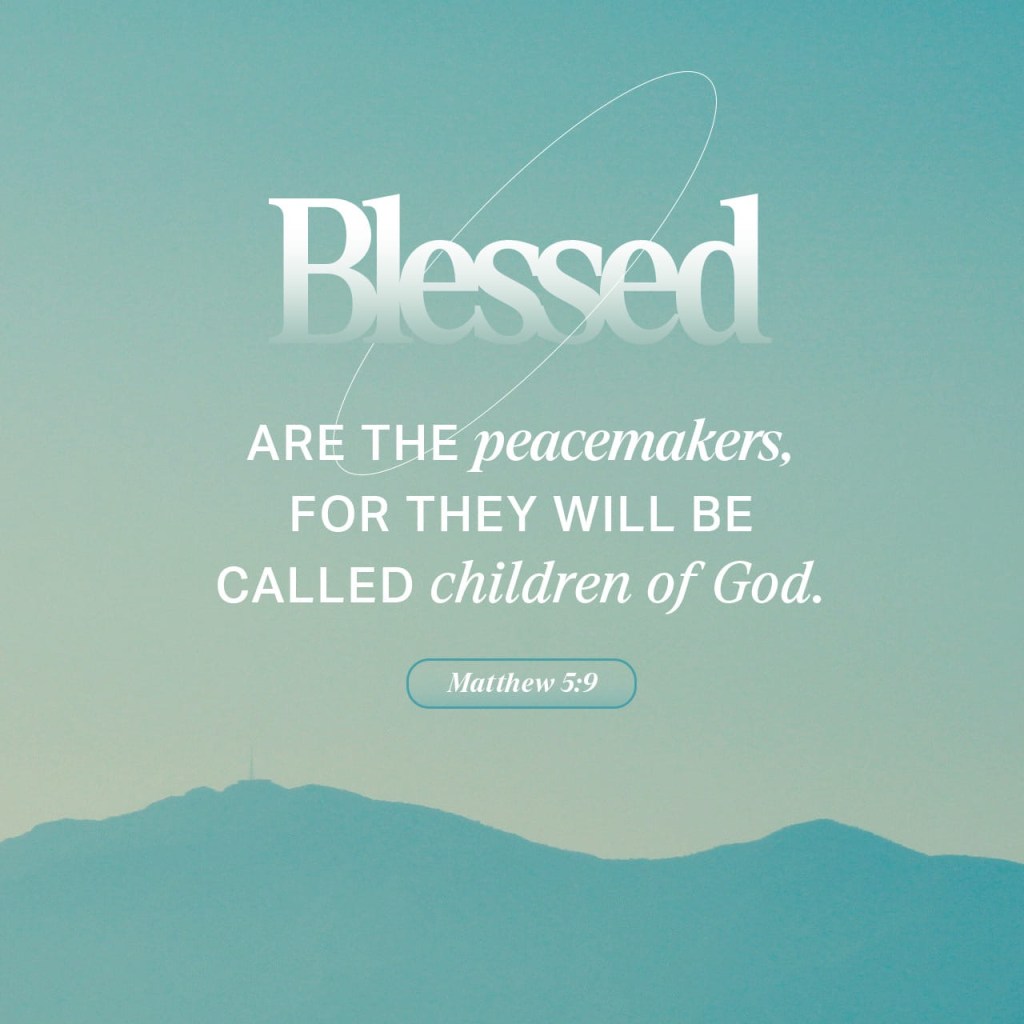
Yesterday, we read Matthew 5:9 NIV, when Jesus said:
“Blessed are the peacemakers, for they will be called children of God.”
Notice it says “peacemaker”—not “peacekeeper.” Peacemaking is an active process where we all have a role to play. It doesn’t mean we go along with every opinion that gets thrown out around the dinner table. It also doesn’t mean we have to agree with everything our friends and family believe. Those actions may avoid conflict, but they don’t make peace.
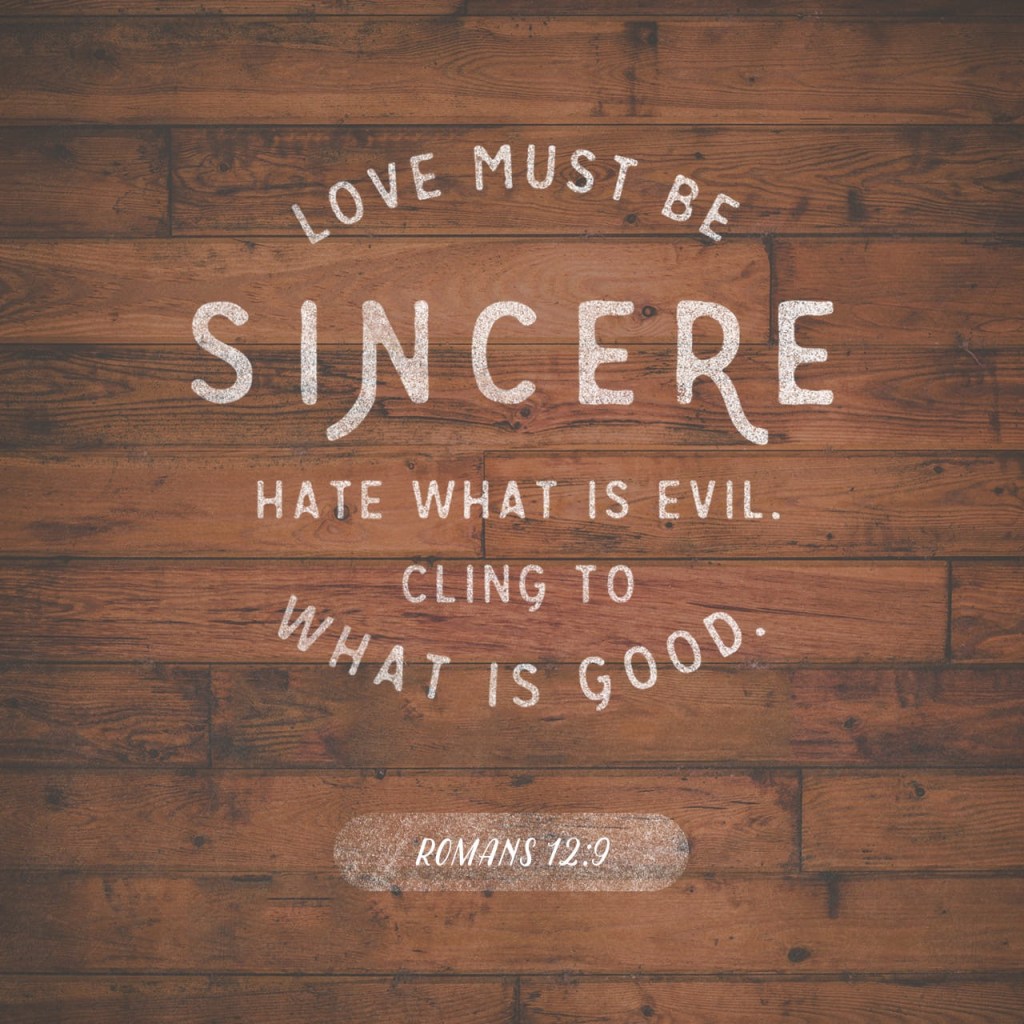
It’s also tempting to ignore conflict or pretend it’s not there. But Romans 12:9 reminds us that love must be sincere. If we hide our hurt feelings, we’re not bringing peace—we’re avoiding the process of making peace.
So how can we bring peace to our relationships with God and others?
1. We recognize we already belong.
On Day 8, we learned we have the gift of peace because we belong to God’s family. This peace can’t be taken from us because of who gave it to us. Still, there will be moments, circumstances, and seasons in our lives where it might be more difficult to find peace.
It might be in an unexpected diagnosis, a long-running relational tension, or when it feels like those around us are far from God. In these moments, we can choose to trust and believe that God is working in our lives and the lives of those we care about. And we can take these concerns and worries to our heavenly Father, believing that He will replace our anxious thoughts with His perfect peace.
2. We acknowledge reality.
Sometimes when we feel a lack of peace, it’s because we’re struggling with how we wish things around us were different. In order to experience the state of wholeness, calm, and renewal that God’s peace promises us, we must acknowledge where we are right now. When we do, we can better identify steps to make peace around us.
3. We share what we have.
Not only is peace a gift we receive from God, it’s a gift we share with those around us. We have confidence in what we know is true of God—His faithfulness, kindness, patience, and more. And we choose to share this goodness with our friends, family, coworkers, and community. It starts small, like choosing to listen with empathy and curiosity, praying for those you disagree with, and taking a step to reflect God’s character to others.
When we practice peace in these ways, we’ll be able to see the wholeness, calm, and renewal that God wants for each of us.
My Thoughts
When I think of peace being ongoing and having to work at it, that seems like a dichotomy to me. Shouldn’t peace just rain down from heaven and fill each of us? Well, maybe, but my experience has not shown that to be true. As the devotional points out, there are actions we can take to help make peace a reality in our lives daily, not just for ourselves but for those around us, too.
I have a family member who is very contentious and hard for me to live at peace with. When I visit, I have to hold my tongue, keep my opinions to myself and hope that she doesn’t explode from something I say or do. I confess that I have been avoiding the process of making peace, as the devotional points out. It is up to me to love sincerely by sharing the truth, even if she doesn’t want to hear it and it’s hard for me to share. With the reality of God’s peace and knowing that I am accepted by Him, I think I can do it. At least, I plan to try.


 www.bible.com/reading-plans/22462/day/1
 Vickie's Book Nook and Meditation Corner