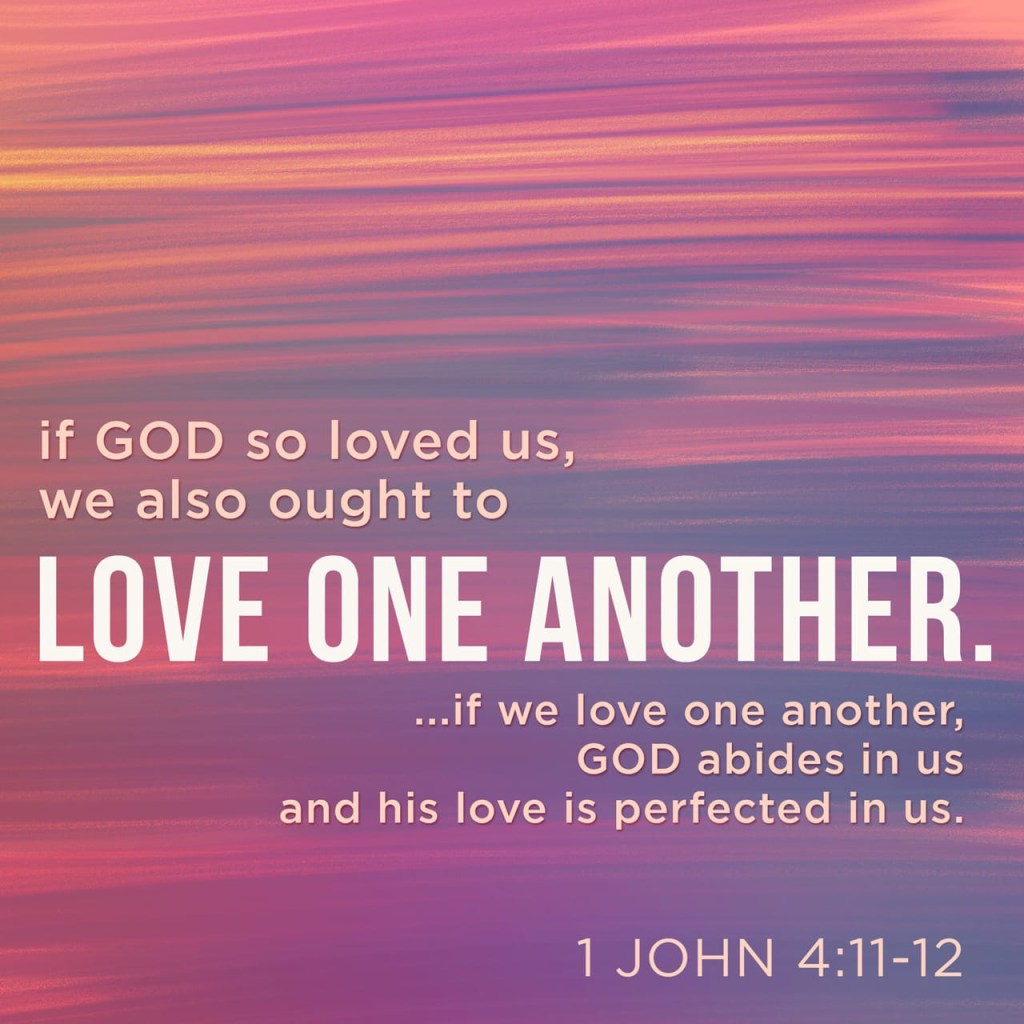
Starting with my daily Bible verse this morning, I have dived into a deep hole of discovery. Some facts I knew, some I had forgotten and others were new to me. The word “love” is used hundreds of times in the Bible, but it is not always the same word from the Greek. There is love for family, friends, God, each other. So, one definition does not cover all, but I did find out some interesting facts.
For example, God loved from the beginning which is obvious since He already had a plan for our salvation in Genesis 3:15. But when was the word “love” actually used first? When God told Abraham to sacrifice Isaac, He told him the following. (See graphic below.) The word for “love” here is that of a father to a son. Since Abraham’s love for Isaac portrays to us the Father’s love of His own Son whom He actually sacrificed, that is a really fascinating fact that the word was first used with Abraham and Isaac. Note the word love verse. I don’t think God uses words lightly. All that He says He means and He uses His words to convey things He wants us to take to heart.

From this one scripture, I gleaned that love can be sacrificial, although it isn’t always required, it might be. God stopped Abraham from killing Isaac on that mountain, but He did not stop the Roman soldiers from putting Jesus on the cross on Golgotha. One was a test for Abraham to show his obedience to God. The other was the final demonstration of God’s great love for us in a way that can never be replicated or repaid.
The only thing God requires of us in exchange for His great sacrifice is that we love Him, have a relationship with Him. That is the love of a child for His Father, a wholehearted, “all in” kind of love.
There are different kinds of love, as noted in the Bible Study tools online. ( BibleStudyTools) In the original Greek language of the New Testament, there were four words: agápē, érōs, philía, and storgē. They are brotherly love, sexual love, dispassionate and friendly love, and familial affection usually between parents and offspring – respectively. These different words connote different kinds of affection, which can only be inferred from the English word for love.
I don’t think I understand all there is to understand about the differences between the kinds of love, but I also discovered another fascinating fact. When Jesus asked Peter three times, “Do you love me” he used agape the first two times and filia the last time. When Peter replied, he used the Greek word filia the first two times and agape the last time. I had to think about that a while before it dawned on me that Jesus wanted to bring Peter to a deeper level of understanding love and what it truly means. I cannot explain it to you because I don’t understand it all myself, but I think pondering this scripture will help as well as praying for understanding. (John 21:15-17)
When all is said and done, the important thing to remember is that God loved, so we should love, without expectation of receiving anything in return but with a totally open heart of giving. Do you think everyone deserves love? Sometimes I think about that and wonder about the murderer, the rapist, the adulterer. But God loved everyone enough to send Jesus, so who am I to say that certain people don’t deserve love? If I cannot show love to everyone, then am I being a good representative of Christ and His love? I am not saying love the sin, but I am saying love the sinner. We are all sinners, saved by grace, and I don’t think that God has a measuring stick saying that some sins just cannot be forgiven because of how outrageous or atrocious they are. He loved everyone, all the way from Genesis 3:15 and made a plan to save all of us. When I refuse to love those God loves, then perhaps I am standing in the way of His plan for others, and for me. Is it hard to love some people? Absolutely! But is it a commandment? Also, absolutely! And the commandments are for our good always.
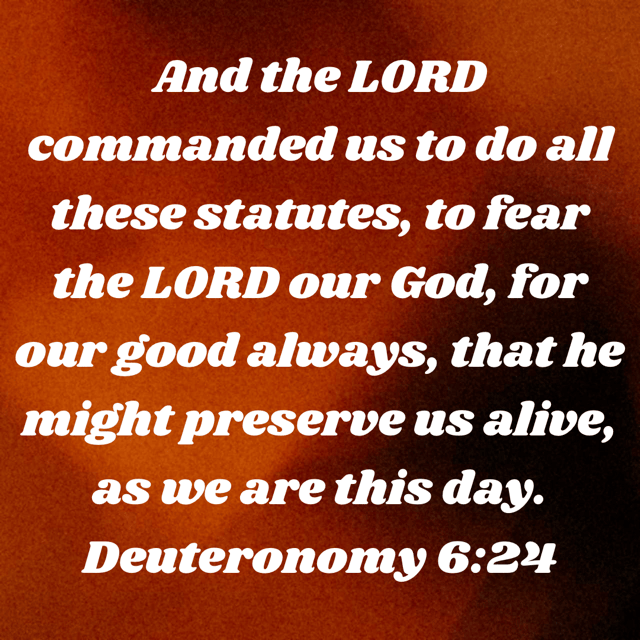
Thus, my scripture verse for today started me on this journey of studying about love. I hope you learned something, are pondering something and ready to dig in for yourself into the truths of God’s love in His Word and how and why we should love others.