I am a Christian, a retired teacher, a mother and a grandmother. I love to read and I love the Lord Jesus Christ! Unless otherwise specified ,all visual illustrations are from the YOU VERSION APP of the Bible.
Although I generally like to savor the Christian romantic suspense that I read, I just couldn’t do it with this book. The pace was so fast and the action was so intriguing that it was impossible to put down. Beginning with a mass shooting, the heart-pounding action just kept up the rapid race through all of the events leading up to the deaths and all that the USCGIS agents were doing to find the perpetrators who had executed such horror at such a celebratory event. Brooke was called on to exhibit her skills as a medic time and time again and Noah Rowley, the team leader, has to use all of his expertise and a lot of prayer to trace the clues. The story is twisted and engaging as Noah’s team is led on a not-so-merry chase to find the group of men responsible for the devastation, only to discover that their planned mayhem is not over. The love stories in between the mystery and suspense were equally mesmerizing, with Noah and Brooke’s unlikely attraction as well as Caleb and Austin’s playful one. The scenes with the couples were like a break from the intensity of the main story and a much needed distraction from the seriousness of the crimes that were being investigated. All of the characters were well-developed, even the villains who were just as despicable as one would expect. The entire book was a race to the finish for me and I loved each minute I spent with the Coastal Guardians as they struggled to make sense of the violence and chaos before it became worse. Fans of romantic suspense will love this book, especially the intensity and the research that went into such a brilliantly written story! Disclaimer Disclosure of Material Connection: I received a complimentary copy of this book from the author via Netgalley. I was not required to write a positive review. The opinions expressed are my own. I am disclosing this in accordance with the Federal Trade Commission’s 16 CFR, Part 255, “Guidelines Concerning the Use of Testimonials and Endorsements in Advertising.”
I would rate this book PG because of the intense action. There is a bloody scene (the gore is not described graphically) at the beginning of the book that sets the stage for the rest of the story.
This book releases on July 5th, and it is available now for preorder. Purchase Links:
Don’t miss out on the preorder specials. Follow one of the links below and preorder, then go to http://www.danipettrey.com/preorder to record your purchase.
Photo and Bio are from the author’s website at http://www.danipettrey.com Visit the site for more information about Dani and her amazing books! Many thanks to Bethany House for publishing such uplifting and entertaining fiction! I am pleased to be a part of Dani Pettrey’s influencer team and hope that you enjoyed the review and will consider purchasing this amazing book.
The story of Tansy and Dane and their second chance at love is as sweet as the honey they both make. Dane and Tansy have a rivalry going that is one for the record books, revolving around who can make the best honey and come away with the coveted prize from the local Honey Bee Festival. Both of them are desperate to capture the prize money in order to keep their respective business going, and the competition is not helped by the fact that Tansy and Dane have a history together going back to high school. The book had me laughing out loud, telling the realistic characters what to do and rooting for them to overcome their differences. I enjoyed how the plot was woven around family for each of the main characters. Dane’s brother Levi was a favorite character of mine. He’s just a teen who is lost in the world of not really being understood or accepted and is very relatable. I also enjoyed reading about Tansy’s aunts who raised her, both of them with their own past that is revealed in the book, much to my delight. This is such a well-written story that I got to the end before I was ready for the story to conclude. Although it is a predictable romance, getting there was so entertaining and a lot of fun! The book is also very informative about bees and bee keeping and I was enamored with the idea of decorating the bee houses with themes. It was kind of like a Disney World for beekeepers, and I totally wanted to visit the Alice in Wonderland one even if it would mean wearing a beekeeper’s suit. This is the first book that I have read by this author and it can definitely be read as a standalone. Fans of light and humorous romance will enjoy this journey into the buzzing world of bees and honey. Disclaimer Disclosure of Material Connection: I received a complimentary copy of this book from the publisher via Netgalley. I was not required to write a positive review. All opinions expressed are my own. I am disclosing this in accordance with the Federal Trade Commission’s 16 CFR, Part 255, “Guidelines Concerning the Use of Testimonials and Endorsements in Advertising.”
Rated G Author Bio: USA Today Bestselling Author Sasha Summers writes stories that celebrate the ups and downs, loves and losses, ordinary and extraordinary occurrences of life. Sasha pens fiction in multiple genres and hopes each and every book will draw readers in and set them on an emotional and rewarding journey. With a puppy on her lap and her favorite Thor mug full of coffee, Sasha is currently working on her next release.She adores hearing from fans and invites you to visit her online.
“He cannot be serious.” Tansy stared at the front page of the local Hill Country Gazette in horror. At the far too flattering picture of Dane Knudson. His long, pale blond hair pulled back in a sloppy man-bun—which should look ridiculous but, on him, never did. The skintight Texas Viking Honey T-shirt vacuum-sealed over what appeared to be a very Viking-like chest. And that smile. That smug, “that’s right I’m superhot and I know it” smile that set her teeth on edge. “What was he thinking?”
“He who?” Tansy’s sister Astrid, sat across the kitchen table, her lap occupied by Beeswax, their massive orange cat. “Who has poor Tansy-Wansy all worked up, hmm, Beeswax?” She smiled down at the cat, who was staring up at Astrid with pure adoration. “Maybe you should go cuddle with her.”
“Dane.” Tansy shook the newspaper. “Who else?”
“Who else, indeed?” Aunt Magnolia said. She stood, straight and tall and willowy, stacking fresh-from-the-oven lavender-honey lemon poppy seed muffins on a plate.
“What did he do now?” Aunt Camellia asked, looking and sounding the appropriate mix of outraged and sympathetic Tansy was hoping for. She wiped her hands on her apron before tightening the lid on the Mason jar full of her lavender-scented beeswax lotion.
“What did he do now?” Lord Byron, Aunt Camellia’s parrot, sat on his perch close to her chair waiting for one of the oyster crackers she always had tucked away in her pocket, just for him.
“This.” Tansy shook the newspaper again. “Texas Viking Honey to Help Honey, Texas, Develop Its As Yet Untapped Agri-Tourism Opportunity.” She paused, waiting for the reaction.
“This is bad?” Astrid asked, leaning around Beeswax to pick up her teacup. “Why is this bad? If they’re scaling back on honey, then—”
“‘While continuing to produce their award-winning clover honey,’” Tansy read, then snorted, “‘Texas Viking Honey, with the support of the Honey City Council, will be expanding operations and combining their Viking ancestry and Texas heritage—”
“That does sound rather impressive, Tansy.” Aunt Magnolia slid the plate of muffins onto the kitchen table and took her seat. “That doesn’t mean it is impressive.”
“Impressive? More like pompous.” Aunt Camellia took a muffin and joined them at the table. “All the Viking this and Viking that. That boy is pure Texan.” She devoured the muffin in a few angry bites.
“The Viking thing is a marketing gimmick,” Tansy agreed.
“A smart one.” Astrid winced at the glare Tansy shot her way. “What about this has you so worked up, Tansy?”
“I haven’t gotten there, yet.” Tansy held up one finger and continued clearly now, over-enunciating each syllable as she read, “‘Combining their Viking ancestry and Texas heritage for a one-of-a-kind event venue and riverfront cabins ready for nature-loving guests by next fall.’”
All at once, the room froze.
Finally. She watched as, one by one, they realized why this was a bad thing.
“But, the bees.” Astrid frowned. Beekeeping wasn’t just their family’s livelihood, it was their way of life. But Astrid had an extra connection to their winged friends. For her, it wasn’t about the honey or the beeswax or the money, it was about protecting them. There was one thing that made Astrid Hill upset—endangering the bees.
Two years of scorching heat and drought had left Honey Hill Farms’ apiaries in a precarious position. Not just the bees—the family farm itself. They all knew this season could make or break the Hill family. None of them wanted to say the words out loud, of course, but there was an inordinate amount of pressure to win the cash prize at this year’s Honey Festival—and the distribution contract with Healthy & Wholesome Markets. If they didn’t, they’d lose their home and their bees… Of course, Dane’s stupid plan might run off the bees long before then.
Astrid looked crestfallen. “It’s almost as if he doesn’t understand or…or care about the bees.”
“He doesn’t care about the bees.” Tansy wanted to hit something. Or someone. “If he did, this wouldn’t be happening.” She scanned the paper again—but not the photo. His smile only added insult to injury. “The noise and traffic and guests, and who knows what ‘event venue’ means? Before that, there will be construction and machinery and workers and…and destruction.” She shook her head. “What is he thinking?”
“I’ll tell you what he’s thinking.” Aunt Camellia took another muffin. “Come to think of it, he’s a Knudson, so chances are he’s not thinking… But, if he’s anything like his father, he’s determined to milk every cent he can out of every avenue available to him. This little…stunt will likely bring them a pretty penny.”
“Now, now, Camellia.” Aunt Magnolia held her hand out for the newspaper.
Tansy handed it over and exchanged a look with her sister. They didn’t know all the ins and outs of what had happened between Aunt Camellia and Harald Knudson—only that their aunt had zero tolerance for all things Knudson.
On that, she and Aunt Camellia were of one mind.
She and her aunt had spent the last eighteen months perfecting their newest honey to make absolutely certain they’d win top prize at this year’s Honey Festival. All the long hours and tweaking of flavors had led to the best honey Tansy had ever tasted—and she’d tasted a lot of honey in her lifetime. That was how Tansy knew, deep in her bones, they’d win. They’d win the blue ribbon and the cash prize and the Healthy & Wholesome Markets deal that would keep Honey Hill Farms alive and well for the long-term. But the cherry on top? Winning top honors would put the Knudsons in their place and avenge her aunt Camellia. Her aunt was bighearted and generous and kind to a fault. That Harald Knudson had done something to hurt her was enough to make the Hills and Knudsons business rivals. Thanks to Tansy’s incident with Dane, the rivalry was intensely personal for her. Up until ten minutes ago, she’d been on a sort of high just thinking about Harald Knudson’s shock as the Hill family took first place—not to mention how ecstatic she’d been imagining wiping the grin off Dane Knudson’s impossibly handsome and perpetually condescending face. Sweet victory.
But now…this…
Tansy stood and carried her coffee cup to the kitchen sink, leaning against the counter to clear her head. Her gaze bounced around the farmhouse kitchen, taking in Granna Hazel’s hand-painted bee and flower details on the pale yellow walls, Aunt Camellia’s leftover lotion materials atop the large island, and the dozen or so full jars sealed and lined up beneath the window over the sink. Aunt Camellia’s pups, all five of them, were a patchwork mass of fur, piled close in a long beam of sunlight that cut across the Spanish-tile kitchen floor. This room was the heart of the old house. This was where they gathered at least twice a day to share a meal, news, and work through any concerns together. Even with stacks of bee journals, magazines, books, baskets of honey, soap- and lotion-making supplies, and all sorts of bits and bobs tacked to the refrigerator and oversize corkboard by the pantry, it was impeccably clean. Aunt Camellia believed in organized chaos—that’s how she described it. Tansy sighed, peering out the window at the bluebonnets and golden agarita waving in the spring breeze, beckoning to the bees that called Honey Hill Farms their home.
A home Dane Knudson is jeopardizing…
“You have to give the boy credit,” Aunt Magnolia said, folding the newspaper and laying it on the table. “He has drive.”
Tansy wasn’t giving the boy a thing. As far back as she could remember, Tansy and Dane had gone toe-to-toe. From middle school spelling bees, fundraisers and Junior Beekeepers competitions, to two publicly humiliating and painful weeks in high school that forever cemented their mutual dislike of one another. She stopped that line of thought cold. Bottom line, they’d been each other’s fiercest competition. But it wasn’t the competition that irked her or the time and work she’d put in to besting him, it was Dane. He had been—he still was, this article proved that—heartless. Heartless and selfish. To him, life was a game, and toying with people’s emotions was all part of it. Over and over again, she’d invested time and energy and hours of hard work and he’d just sort of winged it. As far as Tansy knew, he’d never suffered any consequences for his lackluster efforts. No, the great Dane Knudson could charm his way through pretty much any situation. One thing was certain: Dane and his father were both rotten to the core.
“Drive? Or ego? Maybe he’s finally bitten off more than he can chew?” Tansy shook her head. “What he’s planning has nothing to do with beekeeping.” If anything, there was the potential for disaster. For all of them. And now this…this expansion of his could cost her family their home, the farm, the bees…everything. Tansy’s stomach knotted with dread.
“We should file a protest,” Aunt Camellia said, taking a third muffin.
“It’s his private property, Camellia.” Aunt Magnolia sipped her tea, one fine red eyebrow arching. “He can do as he pleases. Besides, it sounds like the city council is on board.”
Tansy didn’t want to think about just how charming he’d been to manage that. Ugh. She took one of the still-warm lavender-honey lemon poppy seed muffins and pulled it apart. The scent flooded her nostrils and made her stomach growl. Fluffy and golden, with just the faintest hint of their homegrown lavender-infused honey. She took a bite and moaned. “Oh, yum, Auntie Mags. These are heaven.”
“Of course, they are. I made them.” Magnolia smiled. “But mostly because it’s Granna Hazel’s recipe.” She winked.
Tansy spread on some of the honey butter she’d made the week before. Over the years, she learned how to balance rich flavors with a smooth-as-silk texture—making all Honey Hill honey butters spread perfectly. She took a bite, moaned again and smiled. “So, so good.”
“Why not go talk to him?” Astrid asked.
Tansy almost choked on her muffin. “Me?”
“Yes, you.” Astrid shot their aunt a look. “Aunt Camellia can’t.”
“I can’t and I won’t. I’m not setting foot on that man’s property.” Aunt Camellia nodded so vigorously that her reddish-blond curls shook. She crossed her arms over her ample bosom and leaned back against her chair, declaring, “And I won’t be responsible for my behavior if he ever dared show up here.” He meaning Dane’s ne’er-do-well father, Harald Knudson.
“Dared show up here,” Lord Byron repeated, the parrot bobbing up and down on his perch.
Aunt Camellia smiled at the parrot. “What do you have now?” she asked, retrieving the page of newspaper Lord Byron was standing on. The parrot was always taking things and hiding them away, but Aunt Camellia so adored him that he was rarely scolded—much to Aunt Magnolia’s disapproval. “Little thief,” Aunt Camellia all but cooed, then she fed him a cracker.
“I don’t think Harald Knudson would ever think about visiting Honey Hill Farm, Camellia.” Aunt Magnolia shrugged. “Which is good because we need to spend our money carefully, not bailing you out of jail. Your bird, however, could use some time locked up.” She glared at the parrot. Lord Byron glared right back.
Astrid shrugged. “You have to go, Tansy. I’d only make things ten times worse, and you know it.”
“I doubt that,” Tansy argued, though she knew what her sister meant. Astrid would go on a long diatribe about the welfare of the bees, how beekeeping was about equity and respect and balance, before she ever addressed the very real, very legitimate concerns this expansion could cause. A whole list of worries that included things like how vehicle exhaust fumes disrupted a bee’s scent signals, the necessity of an environmental study done prior to any construction—all to ensure no harm or disruption for the land, animals and bees…
Oh, how she loathed Dane Knudson—now more than ever.
He had to know that clearing or changing his property could cataclysmically alter the hives’ pollen source, didn’t he? Or that a queen would relocate her hive if she feared they were in danger? Or that bringing in people, people who didn’t understand bees or honey or anything about beekeeping, could stress a hive and impact their honey production or have them desert their home? A real beekeeper would carefully consider all of this, plus some, before considering such a…a scheme. Since Dane Knudson proclaimed to be a beekeeper, from a long line of beekeepers, he should know of this. He should know better.
“Aunt Magnolia shouldn’t go because she intimidates…well, everyone. That’s not exactly conducive to conversation.” Astrid shrugged, running a hand along Beeswax’s orange-striped back. “Sorry, Aunt Mags.”
Tansy couldn’t help but wonder if Dane Knudson didn’t need to be intimidated a little. Or a lot.
“Don’t be. I love being intimidating. It’s so…so powerful.” Aunt Magnolia smiled. “You can do the same, Tansy. Try it, you’ll like it. Put that brawny boy in his place.”
“Too bad Rosemary isn’t here.” Astrid sighed. “She’d have the perfect talking points for him, spout off just the right numbers and present it so matter-of-factly that he couldn’t argue.”
But their genius little sister, Rosemary, was off following her dreams and participating in a truly innovative bee genomics postgrad study in California. Too far away to call in for backup.
So apparently, Tansy was it. “Unlike Rosemary, the chances of me remaining matter-of-fact are slight.” Especially when I’m face-to-face with that self-inflated, condescending, ridiculously good-looking, unethical jerk.
“Tansy, darling, there is absolutely no reason to let him upset you so. Make your concerns known.” Aunt Magnolia sipped her tea. “Stay calm and cool. Keep the upper hand.”
“She’s right, Tansy. He’s the same bully he was in high school. Getting under your skin for fun,” Astrid reminded her. “But you’re older and wiser and you know how he works so he can’t get to you anymore.” She smiled, sort of. “Just remember what Auntie Mags said. Be intimidating.”
“They’re right, Tansy, darling.” Aunt Camellia patted her hand. “You can do it.”
“You can do it,” Lord Byron squawked.
Tansy didn’t miss the way both her aunts looked at her—Astrid, too. None of them appeared convinced that she could have a productive conversation with their Viking-ish neighbor. And that included herself. But if I don’t talk to Dane, then there’s no chance of stopping his idiotic plan. What choice did she have?
Featuring FBI behavioral specialist Alex Donovan and her teammate Logan Hart, this book had me spellbound with the intense action and intrigue. The plot revolves around young women who are being kidnapped by an unknown psychopath. Unfortunately for her, Alex resembles the kidnapped victims, so she really needs to get the profile right before she becomes a victim herself. There is a sub-plot about Logan’s health that sidelines him from action with the team, but it does not keep him from praying for and supporting the team. I really enjoyed the faith parts of this book, especially as more of the team members begin to pray and focus on belief in God. The action was non-stop and heart-pounding. I enjoyed all of the characters but none more so than Alex who was feisty, courageous and selfless. All of the characters were portrayed realistically and made the story an engaging read. The plot was written well, with plenty of suspense and multiple clues and red herrings along the way. I have read all of the Quantico Files books and this one is my favorite because of its character development and dual plot line. This book can be read as a standalone even though it is part of a series. Fans of romantic suspense, with the emphasis on suspense, will enjoy this faith-filled testimony to the power of believing in God in tough situations. Disclaimer Disclosure of Material Connection: I received a complimentary copy of this book from Bethany House Fiction. I was not required to write a positive review. All opinions expressed here are my own. I am disclosing this in accordance with the Federal Trade Commission’s 16 CFR, Part 255, “Guidelines Concerning the Use of Testimonials and Endorsements in Advertising.”
Rated PG. Intense action but not at all offensive.All of Nancy’s novels have an added touch – something for your spirit as well as your soul. “I welcome the opportunity to share my faith through my writing,” Nancy says. “God is number one in my life. I wouldn’t be writing at all if I didn’t believe that this is what He’s called me to do. I hope everyone who reads my books will walk away with the most important message I can give them: God is good, and He loves you more than you can imagine. He has a good plan for your life, and there is nothing you can’t overcome with His help.”
Photo and Bio are from the author’s website at http://www.nancymehl.comCheck out her booklist and other information there!
With great appreciation to Bethany House Publishing for the copy of the book that they sent me to read and review. Great Christian fiction that entertains and uplifts!
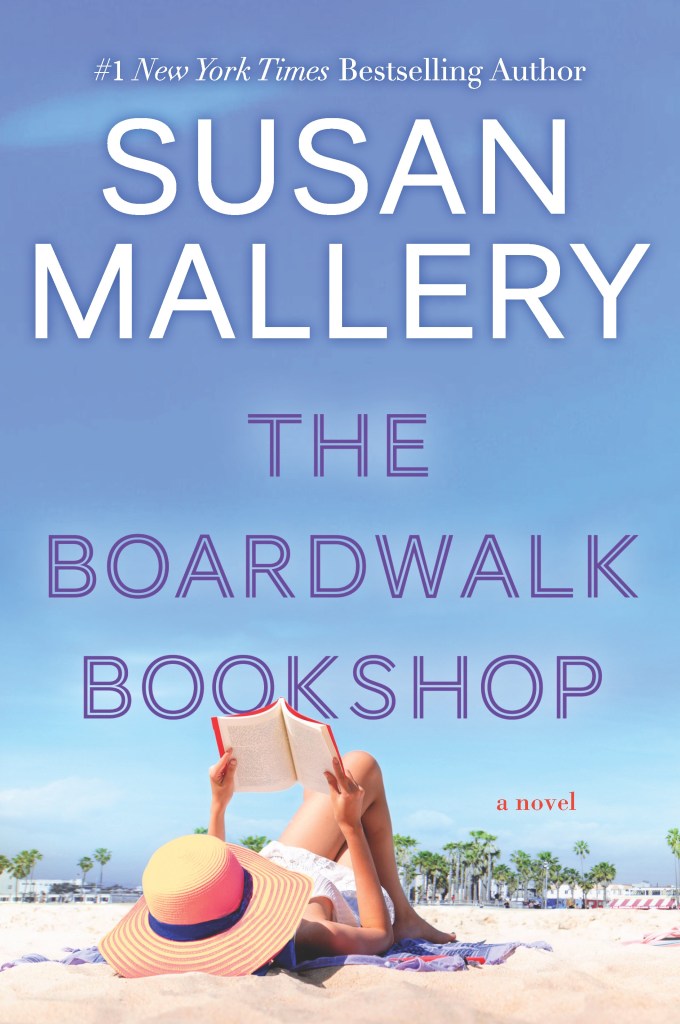
Bree, Ashley and Mikki are three friends who have opened a store together, each featuring their own specialty. Bree sells books, Ashley sells muffins and cupcakes and Mikki owns a gift shop. Together, they weather the storms of business and personal life. I loved their tradition of sharing a glass of champagne together on the beach every Friday. I really enjoyed their friendships with each other. They were just close enough to be brutally honest and often the result was laugh-aloud humorous. The plot was somewhat complex since the book deals with the love lives of each of the three women. Instead of having a “Dear Abby” in their lives, they have each other to use as a sounding board and sometimes one or the other has to give one of the ladies a reality check. The book was fast paced, with memorable characters. Although the plot diverged in three different directions at times, it was easy to keep track of who was who and with whom they were in love because the characters were so realistic. They became like good book friends who needed relationship advice, whether they wanted it or not. Susan Mallery is the absolute best at creating scenarios that are fun to read about and to imagine yourself immersed in. I couldn’t help but relate more to one woman than the others, but that was part of the fun of reading the book. I wanted all of them to have a happily ever after because they all deserved it. Getting to know the characters was a trip down Romance Lane and was a pleasure the whole way! Fans of light, humorous romance will enjoy the antics of the three friends as they forge a path to love. Disclaimer Disclosure of Material Connection: I received a complimentary copy of this book from the publisher via Netgalley. I was not required to write a positive review. The opinions expressed are my own. I am disclosing this in accordance with the Federal Trade Commission’s 16 CFR, Part 255, “Guidelines Concerning the Use of Testimonials and Endorsements in Advertising.”
Rated PG-13 because of sexual content and some languageSUSAN MALLERY is the #1 New York Times bestselling author of novels about the relationships that define women’s lives—family, friendship and romance. Library Journal says, “Mallery is the master of blending emotionally believable characters in realistic situations,” and readers seem to agree—forty million copies of her books have been sold worldwide. Her warm, humorous stories make the world a happier place to live. Susan grew up in California and now lives in Seattle with her husband. She’s passionate about animal welfare, especially that of the two Ragdoll cats and adorable poodle who think of her as Mom.
Bree Larton stared at her seventy-something-year-old customer, not sure how to respond. Bursting out laughing would be inappropriate and Ruth would take offense. “You need to tell me what you want so I can get you the right book,” Bree said with a gentle smile. “You wanted a political thriller. Most of them aren’t sexy.”
Ruth, barely five feet tall but feisty as a badger, pursed her lips. “Not true. James Bond has sex all the time and he spends his day saving the world. I want a book like that. Ticking bombs, financial collapse, kidnappings and then everyone jumps into bed.” She winked. “That would be a good book.”
“I can do a sexy thriller. Maybe international?” Bree started walking toward that section of the bookstore. “A couple of options come to mind. Now, on the sexy part—do you want monogamy or can the partners play around?”
Ruth’s eyes brightened. “I’d like them to play around, but nothing too kinky. And no groups. That’s just too hard to keep track of.”
Bree held in a chuckle. “All right. We’ll limit the body parts, add a little European flair.” She held out a book with a hunky guy on the cover. “If you like this one, the author has five more stories waiting for you.”
Ruth, an unnaturally yellow blonde wearing cherry-red lipstick, clutched the book to her narrow chest. “I’ll take it.”
Bree suggested several additional authors. Ruth browsed for a few more minutes, then carried a stack of books to the register.
“I think I would have been a good sidekick for James Bond.” Ruth passed over her credit card. “Back in the day, I was quite the looker.”
“You still are,” Bree told her.
Ruth waved away the comment. “I’m too old for espionage, but I wouldn’t say no to dinner with a charming man.” Her smile turned sly. “I’ll just have to keep living vicariously through you.”
“Sadly, I’m lacking a man these days.”
Ruth leaned close. “What I admire about you, Bree, is that you’re not holding out for love. You go after what you want. When I was your age, that wasn’t an option. Not in polite society anyway. I was born in the wrong time.”
Bree honest to God had no idea what to say. “I guess we have to work with what we have.” She tucked a flyer into the shopping bag. “Harding Burton is signing here in a couple of weeks.”
Ruth looked at the poster next to the counter. Her bright red lips curved into a smile. “He’s a good-looking man.”
Bree mentally shrugged. “I suppose.”
“You don’t think he’s exceptionally handsome? Those eyes, that smile. Isn’t he the one who was hit by a car and left for dead on the side of the road when he was just a teenager?” Ruth clucked her tongue. “So tragic. But he pulled through and walked again and now look at him.” Her gaze darted to Bree. “You should have your way with him and then tell me all about it.”
Bree held in a wince. “First, I’d never tell you about it and second, I don’t date authors.”
Between her late husband and her parents, she knew enough about the type to want to avoid them forever. At least on a personal basis. Work-wise, she was stuck. What with owning a bookstore and all.
“Harding seems exception-worthy,” Ruth told her. “He might have some interesting scars you could trace and—”
Bree held up her hands in the shape of a T. “Stop right there. If you’re interested in Harding’s scars, go for him. How could he resist you?”
“I’m old enough to be his mother.”
Grandmother, Bree mentally corrected, but kept silent. She had a soft spot for the ever-outspoken Ruth.
“Maybe he’s into older women,” she said instead.
“Wouldn’t that be nice.”
Ruth was still laughing when Bree walked her out of the store. Anson, Ruth’s driver, was waiting in the no-parking fire lane. Anson helped Ruth into the Mercedes. Bree stayed outside until the car drove away.
Early evening on the beach in Los Angeles was nearly always magical but in June, if the skies cleared, it was the stuff of dreams. Warm air, palm trees, sand and surf. Honestly, she shouldn’t admit to having any real problems in her life. Even Ruth’s impossible book requests were insignificant when compared with the view outside the front door of her store.
Until six months ago, Driftaway Books had been located about two miles north and a good three blocks inland from the actual beach. Last fall, when the current space had come up on the market, Bree had stopped in to drool and dream. But beachfront came at a premium, and the square footage had been nearly double what she’d needed.
In one of those rare moments when fate stepped in and offered an unexpected opportunity, that very day two other women business owners had also been swooning over the same retail space. They’d agreed it was an unbelievable location, right there on the sand, but it had also been too big and expensive for each of them.
Impulsively, Bree had suggested they go get coffee together. Over the next hour they’d discussed the possibility of sharing the lease. Bree generally didn’t trust people until she got to know them, but there had been something about Mikki and Ashley that had made her want to take a chance. By the end of the week Driftaway Books, The Gift Shop and Muffins to the Max had signed a ten-year lease and hired a contractor to remodel. Bree had changed the name of Driftaway Books to The Boardwalk Bookshop, the final step in fully claiming the business as her own. The first Monday after the holidays, they’d moved in together.
Bree looked at the long, low building. Huge display windows were shaded by blue-and-white-striped awnings. The large glass doors could slide completely open, blurring the line between retail and sand. She and Mikki, the gift-store owner, had their stores on either side, with Ashley’s muffin selection taking up the middle space.
Big, bright displays showcased books, gifts and muffins, grouped together in seasonal themes. An array of beach books, sunscreen, flip-flops and wide-brimmed hats enticed tourists who had shown up to the beach unprepared.
Bree headed back inside, aware of the approaching sunset. She collected blankets and champagne glasses, then paused to straighten the poster announcing a book signing by Jairus Sterenberg, author of the popular Brad the Dragon children’s books. Jairus lived in next-door Mischief Bay and was always a pleasure at signings. He was one of the few authors Bree liked. He arrived early, stayed late and asked only for a desk and a glass of water. The man even brought his own pens.
At the other end of the spectrum was a not-to-be-named famous mystery author who was a total nightmare. Demanding, slightly drunk and very handsy, he’d patted her butt one too many times at his last signing and had been banned from the store. Despite pleas from his publicist and a written apology from the author himself, Bree had stood firm. She owned The Boardwalk Bookshop and she made the rules. No literary books, no existential anything and no guys touching women without their permission. Not exactly earth-shattering, but she could only control her little corner of the world.
Mikki saw her and smiled.
“Once again, we’re waiting for Ashley. Have you noticed that?”
“Young people today,” Bree teased.
Mikki, a generally upbeat kind of person, with thick blond hair and more curves than Bree and Ashley combined, laughed. “I like that. I’m only ten years older than her, so if she’s young, then I’m less old than I thought. Maybe I won’t mind turning forty this fall.”
“You’re not seriously worried about it, are you?”
Mikki wrinkled her nose. “I don’t know. Sometimes. Maybe. Forty sounds a lot worse than thirty-something.”
“Forty is the new twenty-five.”
Mikki’s humor returned. “If I’m twenty-five, then Ashley’s barely eleven. That could create some legal issues with our lease.” She waved the bottle of champagne she held. “Come on. This needs our attention. When Ashley’s done texting love notes to Seth, she knows where to find us.”
They left the store and walked out onto the sand. With the approach of sunset, the temperature had cooled and the Friday crowd had cleared. The sky had started to darken, while the part that kissed the ocean still glowed bright blue with a hint of yellow.
To their left were a grove of palm trees, a handful of kiosks and a boardwalk that went all the way to Redondo Beach. To the right were more shops and restaurants, benches, parking and hotels. In front of them was the Pacific Ocean. Big, blue and tonight, unexpectedly calm.
They stopped about thirty feet from the shore and sat on the blankets. Mikki held up the champagne.
“Perrier-Jouët Blason Rosé,” she said proudly. “Ladies Know Wine gave it 93 points and said it had ‘delicious hints of sweet earthiness that complement fruit flavors including strawberry and peach with a hint of spice in this perfectly balanced rosé champagne.’”
Bree grinned. “I don’t know which is more impressive. That you’re branching out from traditional champagne or that you can quote a Ladies Know Wine review that well.”
“I love Ladies Know Wine. I savor every issue. If Ladies Know Wine were a man, I would make him fall in love with me. Then we’d have sex.”
“Earl would be crushed.”
Mikki unwrapped the pink foil and tucked it into her khaki pants pocket. “Earl would need to get over it.” She held up the bottle. “Look at the shape of that. It’s beautiful. And the label. Kudos to the design team.”
She held the cork in her left hand and used her right to grip the bottom of the bottle. Instead of pulling on the cork, as often happened in movies, she rotated the bottle several turns until the bottle and cork separated without a hint of a pop.
Last fall the three of them had signed the lease late on a Friday. They’d been so excited, they’d driven out to their new location. The sunny, warm day had promised a beautiful sunset. Bree happened to have a bottle of champagne in her car and had suggested they share it to celebrate their new venture. The following Friday they’d done the same and a tradition had been born.
The first time Bree had opened a bottle of champagne with her business associates, she’d popped the cork and the frothy liquid had spilled over. Mikki’s expression of horror had been so clear as to be comical.
“You’re letting out all the bubbles,” she’d explained. “It changes the essence of the champagne and ruins the experience.”
“Ruins is kind of strong,” Ashley had pointed out. “It’s still really good champagne. Better than what I usually have. Of course most of my champagne drinking is done at weddings where they’re buying for two hundred, so price is a concern.”
“Champagne needs to be treated with reverence,” Mikki had told her. “Don’t drink bad champagne.”
From then on they’d alternated providing the Friday night sunset champagne. Ashley always ran her selection past Mikki, but Bree took her chances by picking it herself.
Mikki poured them each a glass, then put the bottle into the sand, pushing down a little to keep it upright.
“To us,” she said, touching her glass to Bree’s. “And to perfect sunsets.”
Bree smiled and then took a sip. She closed her eyes as she let the bubbly liquid sit on her tongue for a second before swallowing. Mikki was going to ask her how she liked it, and saying it was fine was never an option.
“Delicious,” she said, holding in her smile. “I taste a lot of berry with a hint of citrus. It’s surprisingly creamy.”
Mikki looked at her with approval. “That’s what I get, too. It’s really drinkable. I like it.”
“Noooo! You started without me!”
The shriek came from behind them. Neither of them turned around. Instead, Bree held out the third glass and Mikki filled it. Ashley, a tall, slim redhead with big blue eyes and a full mouth, plopped down next to Mikki. Her lips formed a pout.
“You didn’t wait,” she accused. “You’re supposed to wait.”
“You’re supposed to be on time,” Mikki reminded her. “Every Friday you text with Seth and run late. You agreed either you show up on time or we’re starting without you.”
Ashley ducked her head. “I thought the pressure would help. Instead, I just feel guilty.”
Mikki sipped her champagne. “I’m sure your chronic tardiness has to do with your mother.”
Ashley laughed. “My mom can take your mom anytime.”
Mikki grinned. “I don’t know. Rita would bring her Eeyore self to the party and then talk about how everyone’s good time depressed her.”
“I can see that happening,” Ashley admitted. “Then I’ll toast to both our mothers. And Seth, who is amazing. I in no way feel guilty about texting with him. He loves me and I love him.”
Bree held in a groan. “Yes, we know. It’s all so wonderful.”
Mikki bumped shoulders with Ashley. “She’s jealous.”
“No, no.” Bree held up her glass. “You are welcome to your cooing and clucking relationship.”
“We don’t cluck. What does that even mean?”
“I have no idea,” Mikki admitted. “Bree?”
“It’s just an expression.”
“Clucking is an expression?”
Bree chuckled, then glanced out at the sinking sun. Light reflected on the moving water. A family walked along, close to the waves. An older boy ran ahead, while the parents held hands with a younger child.
They looked happy, she thought, studying them the way she would an unfamiliar species. No doubt the mom and dad loved their children, took care of them. Mikki did that, too, with her two kids. And Ashley’s parents were wonderful. But not all parents were good.
Mikki refilled their glasses. “Ashley, a lot of customers are talking about your brother’s book signing. When are we going to meet him?”
“Monday,” Ashley said. “He’s moving into his new place.”
Harding, Ashley’s brother, after several months on the road for book signings and research, had returned to Los Angeles. He’d leased a house and was supposedly hard at work on book number three. In the meantime, he would be signing at The Boardwalk Bookshop where he would, no doubt, pull in a crowd.
Authors, Bree thought with a silent sigh. An annoying but necessary species. Customers liked book signings, so she had authors come in.
“I can’t wait to meet him,” Mikki said. “Such an interesting story. Bree, are you excited about the signing?”
“More than words can say.”
Mikki studied her. “That’s sarcasm, right?”
Bree laughed. “Yes. That’s sarcasm.”
“How can you own a bookstore, love books and hate writers?”
“I don’t hate them. I just don’t want them in my life.”
“You’re so weird.” Mikki turned to Ashley. “Help me out here. Tell her how weird she is.”
Instead of joining in the teasing, Ashley dropped her gaze. “Yes, well, we should talk about Harding. Or more specifically, him and you.”
Bree shifted back so she could angle toward Ashley. “I’ve never met the guy.” Which meant there shouldn’t be a problem. Unless…
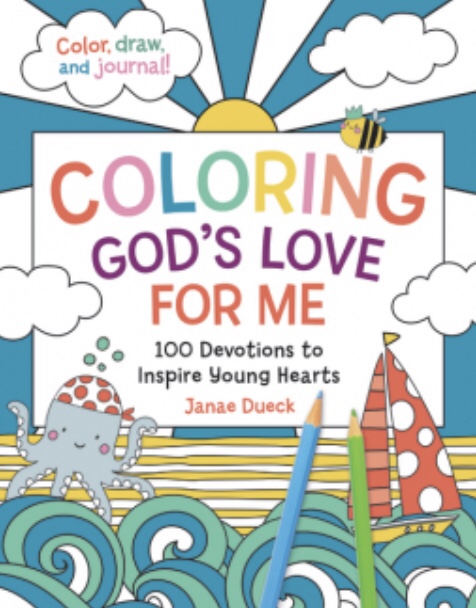
This is a delightful devotional for children and I would classify it for ages 8-12 or so because of the themes in the devotionals and the intricate coloring pages. It is a perfect book to share with your child, read it and discuss it together or it is also useful for the child to work on the devotionals and coloring pages alone. The topics are extremely pertinent for children, including things about giving God your burdens (with a suitcase at the visual aid) and going on an adventure with God as well as believing His promises and trusting Him. There are so many various topics that the book is not only useful but also applicable to various age groups and both genders. The writing is clear and precise, on age level for the ages I mentioned previously and relatable to children. The Scriptures used are practical and worth using as memory verses for the child. Parents will want to snap up this book to encourage creativity as well as a daily walk with God through a devotional made just for the children in their lives. The illustrations are amusing and appropriate for children. I enjoyed the sample of the book that was provided and hope to purchase the actual book as a gift. I have three or four grandchildren in mind who would enjoy this book and delving into God’s Word in a fun way that also allows them to express themslelves. I particularly liked the personal and thoughtful questions in each devotional that encourages the child to dig into their own habits and life and get closer to God. There are one hundred different devotionals in the book, with each one labeled a promise from God. The topics cover a variety of topics like God taking care of our worries, keeping track of us and preparing us to do His work. This is a great book for children and even parents to color together as they talk about God and His character. Disclaimer Disclosure of Material Connection: I received a complimentary copy of this book from Thomas Nelson Publsihers via Netgalley. I was not required to write a positive review. The opinions expressed are my own. I am disclosing this in accordance with the Federal Trade Commission’s 16 CFR, Part 255, “Guides Concerning the Use of Testimonials and Endorsements in Advertising.”
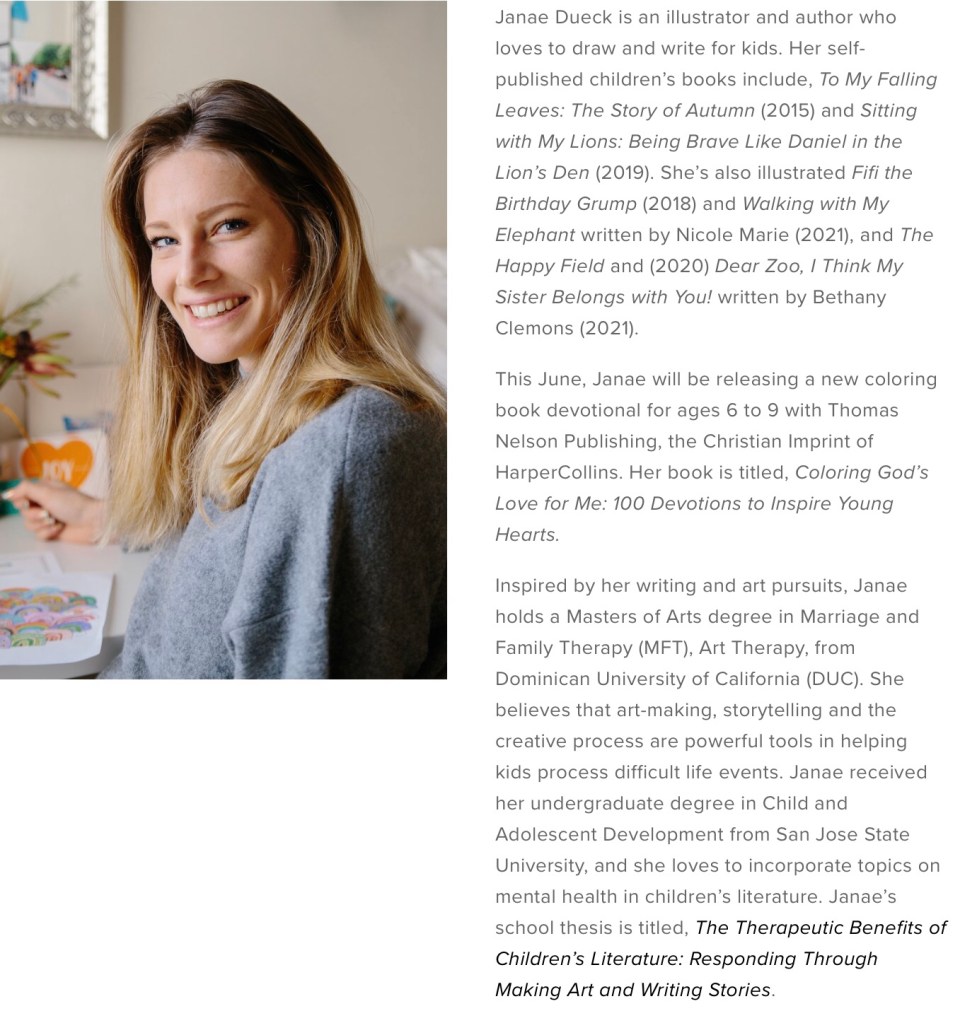
Rated G for all audiences!For more information about the author, go to her website at http://www.janaedueck.com
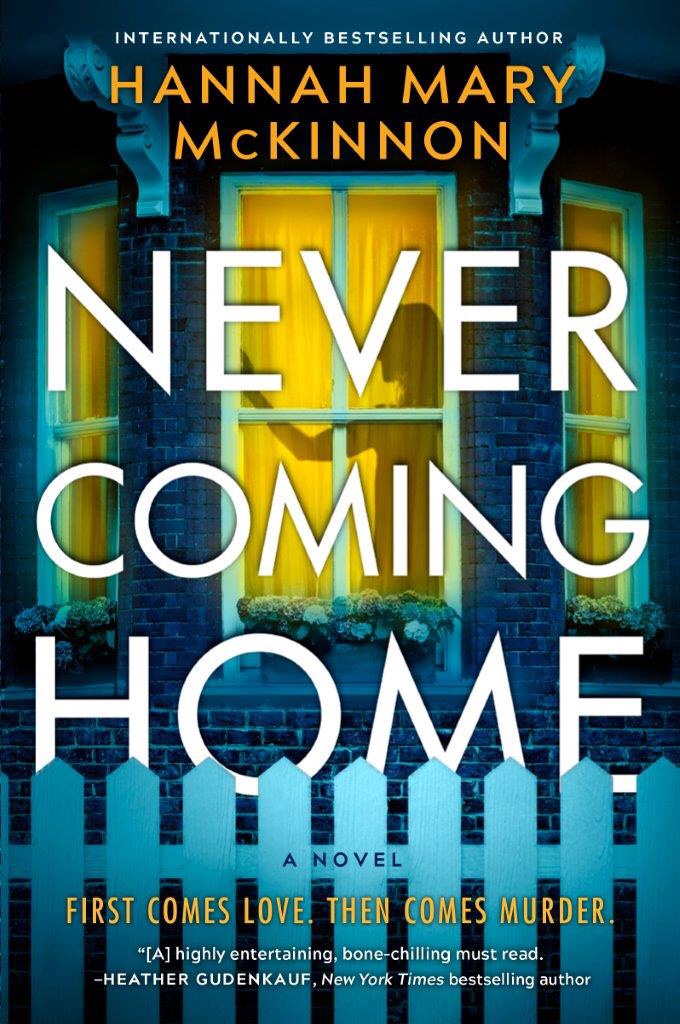
Lucas Forester is the antagonist in this twisted tale about domestic drama with thrills up the wazoo. He is a guy I just couldn’t hate because he was so intelligent and figured out all of the possible scenarios before he acted. His very wealthy wife Michelle is missing and Lucas has a plan already in play for when she is declared dead. Notice that the word I used is “when” not “if.” You see, Lucas planned her murder, hired someone to carry it out and is not just waiting for the declaration of her death so that he can be independently wealthy. He had lots of ideas for what he could do while he waits for Michelle to be found. In fact, the entire plot revolves around Lucas’s plans which are constantly evolving as the situation changes. There is a complication to his well-thought out plan when it appears that the killer he hired from the dark web is sending him photos to blackmail him. Another problem for the very devious Lucas to contend with! The characters are mostly likable but very complex. The book has a well-developed plot, but the whole story is actually centered around the characters and what makes them act the way they do. All of them are sympathetic characters except for Lucas who is just plain old despicable. I think I liked him because he is like Wiley Coyote, always trying to catch the roadrunner and always running into trouble for his efforts. The plot has some great twists in it and innumerable red herrings. This is the kind of book that I really get caught up in because it kept me guessing all the way until the end. And the surprise twist at the end is just perfect, absolutely perfect! I would love this book to be made into a movie because I can just picture the story unwinding on the big screen, complete with deception and maliciousness as well as the conniving that takes place. This was such a good book and so well-written that I was sorry that it had to end. Fans of domestic thrillers will want to get this book and discuss it with others. Disclaimer Disclosure of Material Connection: I received a complimentary copy of this book from the publisher via Netgalley. I was not required to write a positive review. The opinions expressed are my own. I am disclosing this in accordance with the Federal Trade Commission’s 16 CFR, Part 255, “Guidelines Concerning the Use of Testimonials and Endorsements in Advertising.”
Caution for my readers: This is an intense book with several triggers in it, including drug addiction, abuse and violence. I would rate it a hard PG but actually think it is best suited for adults who enjoy domestic thrillers with a psychological twist. Hannah Mary McKinnon was born in the UK, grew up in Switzerland and moved to Canada in 2010. After a successful career in recruitment, she quit the corporate world in favor of writing, and is now the author of The Neighbors, Her Secret Son, Sister Dear and You Will Remember Me. She lives in Oakville, Ontario, with her husband and three sons, and is delighted by her twenty-second commute. Social Links: Author Website Twitter: @HannahMMcKinnon Instagram: @hannahmarymckinnon Facebook: @HannahMaryMcKinnon Goodreads
Excerpt:
1
SUNDAY
The steady noise from the antique French carriage clock on the mantelpiece had somehow amplified itself, a rhythmic tick-tick, tick-tick, which usually went unnoticed. After I’d been sitting in the same position and holding my ailing mother-in-law’s hand for almost an hour, the incessant clicking had long wormed its way deep into my brain where it grated on my nerves, stirring up fantasies of hammers, bent copper coils, and shattered glass.
Nora looked considerably worse than when I’d visited her earlier this week. She was propped up in bed, surrounded by a multitude of pillows. She’d lost more weight, something her pre-illness slender physique couldn’t afford. Her bones jutted out like rocks on a cliff, turning a kiss on the cheek into an extreme sport in which you might lose an eye. The ghostly hue on her face resembled the kids who’d come dressed up as ghouls for Halloween a few days ago, emphasizing the dark circles that had transformed her eyes into mini sinkholes. It wasn’t clear how much time she had left. I was no medical professional, but we could all tell it wouldn’t be long. When she’d shared her doctor’s diagnosis with me barely three weeks ago, they’d estimated around two months, but at the rate of Nora’s decline, it wouldn’t have come as a surprise if it turned out to be a matter of days.
Ovarian cancer. As a thirty-two-year-old Englishman who wasn’t yet half Nora’s age I’d had no idea it was dubbed the silent killer but now understood why. Despite the considerable wealth and social notoriety Nora enjoyed in the upscale and picturesque town of Chelmswood on the outskirts of Boston, by the time she’d seen someone because of a bad back and they’d worked out what was going on, her vital organs were under siege. The disease was a formidable opponent, the stealthiest of snipers, destroying her from the inside out before she had any indication something was wrong.
A shame, truly, because Nora was the only one in the Ward family I actually liked. I wouldn’t have sat here this long with my arse going numb for my father-in-law’s benefit, that’s for sure. Given half the chance I’d have smothered him with a pillow while the nurse wasn’t looking. But not Nora. She was kindhearted, gentle. The type of person who quietly gave time and money to multiple causes and charities without expecting a single accolade in return. Sometimes I imagined my mother would’ve been like Nora, had she survived, and fleetingly wondered what might have become of me if she hadn’t died so young, if I’d have grown up to be a good person.
I gradually pulled my hand away from Nora’s and reached for my phone, decided on playing a game or two of backgammon until she woke up. The app had thrashed me the last three rounds and I was due, but Nora’s fingers twitched before I made my first move. I studied her brow, which seemed furrowed in pain even as she slept. Not for the first time I hoped the Grim Reaper would stake his or her claim sooner rather than later. If I were death, I’d be swift, efficient, and merciful, not prescribe a drawn-out, painful process during which body, mind, or both, wasted away. People shouldn’t be made to suffer as they died. Not all of them, anyway.
“Lucas?”
I jumped as Diane, Nora’s nurse and my neighbor, put a hand on my shoulder. She’d only left the room for a couple of minutes but always wore those soft-soled shoes when she worked, which meant I never heard her coming until she was next to me. Kind of sneaky, when I thought about it, and I decided I wouldn’t sit with my back to the door again.
As she walked past, the air filled with the distinctive medicinal scent of hand sanitizer and antiseptic. I hated that smell. Too many bad memories I couldn’t shake. Diane set a glass of water on the bedside table, checked Nora’s vitals, and turned around. Hands on hips, she peered down at me from her six-foot frame, her tight dark curls bouncing alongside her jawbone like a set of tiny corkscrews.
“You can go home now. I’ll take the evening from here.” Regardless of her amicable delivery, there was no mistaking the instruction, but she still added, “Get some rest. God knows you look like you need it.”
“Thanks a lot,” I replied with mock indignation. “You sure know how to flatter a guy.”
Diane cocked her head to one side, folded her arms, and gave me another long stare, which to anyone else would’ve been intimidating. “How long since you slept? I mean properly.”
I waved a hand. “It’s only seven o’clock.”
“Yeah, I guess given the circumstances I wouldn’t want to be home alone, either.”
I looked away. “That’s not what this is about. I’ll wait until Nora wakes up again. I want to say goodbye. You know, in case she…” My voice cracked a little on the last word and I feigned a cough as I pressed the heels of my palms over my eyes.
“She won’t,” Diane whispered. “Not tonight. Trust me. She’s not ready to go.”
I knew Diane had worked in hospice for two decades and had seen more than her fair share of people taking their last breaths. If she said Nora wouldn’t die tonight, then Nora would still be here in the morning.
“I’ll leave in a bit. After she wakes up.”
Diane let out a resigned sigh and sat down in the chair on the opposite side of the bed. A comfortable silence settled between us despite the fact we didn’t know each other very well. I’d first met Diane and her wife Karina, who were both in their forties, when they’d struck up a conversation with me and my wife Michelle as we’d moved into our house on the other side of Chelmswood almost three years prior. Something about garbage days and recycling rules, I think. The mundane discussion could’ve led to a multitude of drinks, shared meals, and the swapping of embarrassing childhood stories, except we were all what Michelle had called busy professionals with (quote) hectic work schedules that make forging new friendships difficult. My Captain Subtext translated her comment as can’t be bothered and, consequently, the four of us had never made the transition from neighbors to close friends.
Aside from the occasional holiday party invitation or looking after each other’s places whenever we were away—picking up the mail, watering the plants, that kind of thing—we only saw each other in passing. Nevertheless, Karina regularly left a Welcome Back note on our kitchen counter along with flowers from their garden and a bottle of wine. Not one to be outdone on anything, Michelle reciprocated, except she’d always chosen more elaborate bouquets and fancier booze. My wife’s silent little pissing contests, which I’d pretended to be too dense to notice, had irked me to hell and back, but when Nora fell ill and Diane had been assigned as one of her nurses, I’d been relieved it was someone I knew and trusted.
“I’m sorry this is happening to you,” Diane said, rescuing me from the spousal memories. “It’s not fair. I mean, it’s never fair, obviously, but on top of what you’re going through with Michelle. I can’t imagine. It’s so awful…”
I acknowledged the rest of the words she left hanging in the air with a nod. There was nothing left to say about my wife’s situation we hadn’t already discussed, rediscussed, dissected, reconstructed, and pulled apart all over again. We’d not solved the mystery of her whereabouts or found more clues. Nothing new, helpful or hopeful, anyway. We never would.
Silence descended upon us again, the gaudy carriage clock ticking away, reviving the images of me with hammer in hand until the doorbell masked the sound.
“I’ll go,” Diane muttered, and before I had the chance to stand, she left the room and pulled the door shut. I couldn’t help wondering if her swift departure was because she needed to escape from me, the man who’d used her supportive shoulder almost daily for the past month. I decided to tone it down a little. Nobody wanted to be around an overdramatic, constant crybaby regardless of their circumstances.
I listened for voices but couldn’t hear any despite my leaning toward the door and craning my neck. I couldn’t risk moving in case Nora woke up. Her body was failing, but her mind remained sharp as a box of tacks. She’d wonder what I was up to if she saw my ear pressed against the mahogany panel. Solid mahogany. The best money could buy thanks to the Ward family’s three-generations-old construction empire. No cheap building materials in this house, as my father-in-law had pointed out when he’d first given me the tour of the six bedrooms, four reception rooms, indoor and outdoor kitchens (never mind the abhorrent freezing Boston winters), and what could only be described as grounds because yard implied it was manageable with a push-along mower.
“Only the best for my family,” Gideon had said in his characteristic rumbly, pompous way as he’d knocked back another glass of Laphroaig, the broad East Coast accent he worked hard to hide making more of a reappearance with each gluttonous glug. “No MDF, vinyl or laminate garbage, thank you. That’s not what I’m about. Not at all.”
It’s in the houses you build for others, I’d thought as I’d grunted an inaudible reply he no doubt mistook for agreement because people rarely contradicted him. As I raised my glass of scotch, I didn’t mention the council flats I grew up in on what Gideon dismissed as the lesser side of the pond, or the multiple times Dad and I had been kicked out of our dingy digs because he couldn’t pay the rent, and we’d ended up on the streets. My childhood had been vastly different to my wife’s, and I imagined the pleasure I’d find in watching Gideon’s eyes bulge as I described the squalor I’d lived in, and he realized my background was worlds away from the shiny and elitist version I’d led everyone to believe was the truth. I pictured myself laughing as he understood his perfect daughter had married so far beneath her, she may as well have pulled me up from the dirt like a carrot, and not the expensive organic kind.
Of course, I hadn’t told him anything. I’d taken another swig of the scotch I loathed, but otherwise kept my mouth shut. As satisfying as it would’ve been, my father-in-law knowing the truth about my background had never been part of my long-term agenda. In any case, and despite Gideon’s efforts, things were working to plan. Better than. The smug bastard was dead.
The story of small-town life is front and center in this romantic tale by Lori Foster. Yardley Belanger is living with her aunt and mother, both of whom have a tendency to criticize her constantly. She is running the family business of wedding planning as well as helping out anyone in the community who needs it. Meanwhile, her own dreams are put on hold, to the point that she dares not dream a future for herself. In planning a wedding for his sister, Yardley meets Travis, a hunky contractor who is attracted to her and vice versa. The story of their romance is one for the ages, with a few bumps but mostly a lot of humor. Yardley’s way of speaking is so realistic that I could just hear her rambling on from topic to topic at a high rate of speed. I think her conversations were my favorite part of the book. I liked getting to know all of the characters of the small town of Cemetery, especially Betty, a disagreeable older woman who wants everything to stay the same. The characters were well-developed and each was given a different and intriguing personality. Mimi, Yardley’s best friend and protector, was charming and witty as she dealt with being a new mom and trying to encourage romance in her life. The plot rolled along at a good pace, perfect for the story and engaging to read. Fans of light romance will enjoy this stroll down the path of romance and will particularly enjoy getting to know the residents of Cemetery. Disclaimer Disclosure of Material Connection: I received a complimentary copy of this book from the publisher via Netgalley. I was not required to write a positive review. All opinions expressed are my own. I am disclosing this in accordance with the Federal Trade Commission’s 16 CFR, Part 255, “Guidelines Concerning the Use of Testimonials and Endorsements in Advertising.”
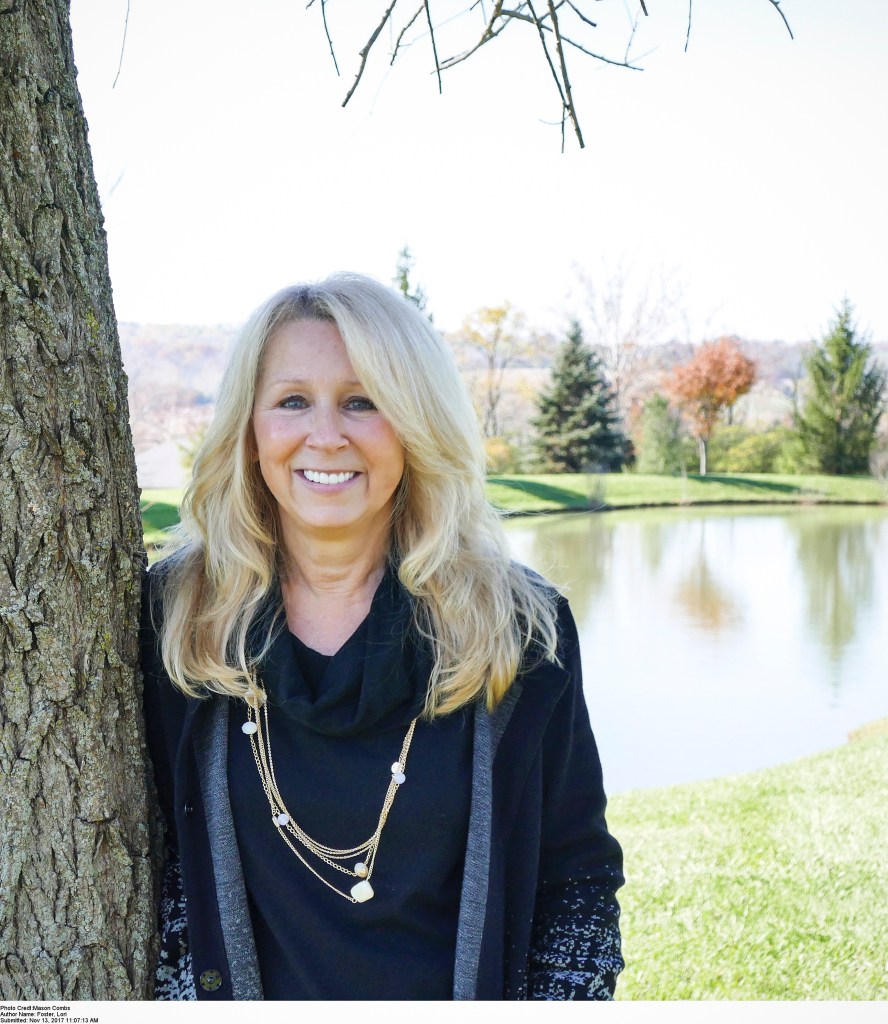
Rated PG-13 because of sexual references and innuendo. Also, an unmarried couple is living together in this book.Lori Foster is a New York Times, USA Today, and Publishers Weekly bestselling author with over 10 million books sold. She received the Career Achievement Award from RT Book Reviews and her books have been chosen as editors picks by Amazon multiple times. Foster is actively involved in charity work, and all of the author proceeds from her anthologies have gone to various organizations, such as the Animal Adoption Foundation, the Conductive Learning Center, and One Way Farm. She lives in Ohio with her high school sweetheart. SOCIAL LINKS: Author Website Twitter: @LoriLFoster Facebook: Lori Foster Instagram: @lorilfoster Goodreads
Chapter 1, Excerpt
“Mother, didn’t you plan to go out?” It was nearing noon, and Aurora Belanger had yet to leave. Lilith, her mother’s sister, also lingered in the foyer right outside her office. It was as if they knew she had an appointment and they wanted to oversee the process. It was a fact that no matter how she succeeded, they expected her to fail, or sometimes they just disapproved of how she succeeded.
“Why the rush?” Aurora asked as she adjusted the V-neck of her sleeveless blouse to show more cleavage.
Granted, for an almost-fifty-year-old woman, her mother still had it. The problem was that she knew it, and she focused on looking sexy more than she did on making the business work. Yardley forced her mouth into a smile. “I thought you had some local honeymoon locations to scope out today.”
“I don’t scope out locations. And stop slouching.”
Automatically, Yardley straightened, but damn it, she hadn’t been slouching anyway. “So, what would you call it?”
“I visit, investigate, and collect valuable information that will enhance our clients’ experiences.” She shot Yardley a superior look. “It’s a key part of the business, you know. Certainly, the locations I suggest are more appropriate than that rustic Honeymoon Cottage you always recommend.”
“The cottage is amazing and you know it.”
Aurora sniffed. “Most people are more interested in their honeymoon than the actual wedding.”
Meaning her mother’s contributions were more valuable than Yardley’s efforts? Baloney. She knew one thing though: Aurora’s choices were certainly more expensive. Folding her arms, Yardley said, “Huh. I guess a lot of happy clients didn’t realize that, because more than half choose the cottage, so—”
“Because it’s so disgustingly cheap,” Aurora insisted.
“Affordable,” Yardley countered, but why she bothered, she didn’t know. They’d disagreed on the point too many times to count.
“I need to leave soon for the café,” Aunt Lilith interrupted. She was four years Aurora’s senior, and though they shared similar features, she was more concerned with flaunting her intellect than her sex appeal. At least the niche, tea-parlor-type café Lilith owned turned a small profit, even though they’d transitioned from meeting prospective clients there to having them at the home office instead.
Lilith focused on Yardley with nerve-rattling acuity. “Whatever are you up to, Yardley? Do you have an appointment, hmm?”
“Yes, I do, and I need to prep for it. So… I’ll see you both later.” She took a step back. Then another. Neither of them budged. Damn.
Lilith gave her a longer look. “Don’t you have something more appropriate to wear?”
Looking down at her summer dress, Yardley frowned in consternation. It was one of her favorites. She adored the way the soft, flowing material gently draped her body. The skirt ended mid-calf, and it had just enough adornment to make it professional while still being comfortable. Plus Mimi had told her that the pretty blue floral pattern matched her eyes. “I love this dress.”
“It doesn’t scream professionalism,” said her aunt.
“I’m not sure I want my clothes to scream.”
Ignoring that, her aunt said, “Yellow would be better for you, to offset your dark hair. Perhaps a business suit.”
A yellow business suit? She’d look like a block of butter.
“Nonsense,” said her mother. “Just the opposite is true. It wouldn’t kill you to wear something a little less matronly.”
“My dress isn’t matronly.” Was it? No, no, it was comfortable, damn it.
“You have breasts. Even though they’re small, you should showcase them.”
Yardley started to sweat. “Look, both of you—”
Aunt Lilith cut in. “Only you, Aurora, would think she needed to be sexy to sell a wedding. If you’d furthered your education, as I did, instead of getting pregnant so young—”
“That wasn’t my fault,” Aurora gasped in affront—as she always did when this debate got started.
“Well, it certainly wasn’t mine.” Lilith scoffed. “I didn’t have unprotected sex.”
“Likely because you, dear sister, have never experienced real passion.”
Lilith’s face went red. “No one said passion must equal an unwanted baby—no offense, Yardley.”
Yardley obligingly replied, “None taken.” This whole argument was so old, she knew the lines by heart. There was always some variant of the same thing. Over and over again.
It infuriated Mimi. If her friend was here now, she’d be blasting them both.
“I did the responsible thing,” Aurora specified with flair. “I raised my daughter. You’d probably have given her up.”
“How dare you?” Lilith pointed one manicured finger Yardley’s way. “I love Yardley.”
“Now you do. But while I was carrying her?”
“I was attempting to be the reasonable one.”
“You didn’t want her around, but now you try to claim her as your own.”
“At least I don’t advise her to show off her breasts!”
Yardley lifted her phone to look at the time…and then she heard two things. A man clearing his throat, and a young woman giggling.
OMG. Awash with humiliation, she turned to face her clients…and holy crapola. Pretty sure her ovaries just danced.
Travis Long was a feast for the peepers. She knew because her eyes were gobbling him up from head to toe.
He wasn’t the intended, thank God, just the brother. Is he married?
Good Lord, why did she care? But she answered herself real quick as she took him in feature by feature. Sandy-blond hair, steaked by the sun.
Dark brown eyes, fringed by ridiculous—like, really ridiculous—long, thick lashes.
Broad muscled shoulders.
Lean torso.
Long, strong legs.
Of course he had to be married. He’d probably had a dozen proposals by now. Some lucky woman would have snatched him up already.
Unless… Remembering her initial phone conversation, she thought maybe he was too aloof. Too unfriendly. A discerning woman wouldn’t be reeled in by mere good looks. Somehow she didn’t feel all that discerning right now.
Whatever this man does for a living, it works in his favor.
The young woman laughed aloud this time. “Don’t worry, Ms. Belanger. He has that effect on everyone.” She nodded at Aurora and Lilith, and Yardley realized they were both gawking, too.
Appalled, Yardley loudly cleared her throat—and accomplished nothing. Her mother and aunt continued to stare.
“I’ve told him he could have made more money as a model,” the young woman said, “but no, my brother went into construction instead.”
Attempting to ignore the heat in her face, Yardley stepped forward, hand extended—toward the woman. Who would be her client. She was the one who mattered. “Hello. You must be Ms. Long.”
“Soon to be Mrs. Borden, with your help.”
“Oh, I do hope so. That I get to help, I mean. Not that you become Mrs. Borden. I’m sure that’s a foregone conclusion or you wouldn’t be here.” Shut up, Yardley. “Please, just call me Yardley.”
“If you’ll call me Sheena.”
Beside her, Travis shifted but said nothing. Compared to him, his sister looked extra petite. Her hair, lighter blond than Travis’s, hung just past her shoulders. They shared the same striking dark eyes and sinful lashes.
Sheena appeared to be just out of her teens. Maybe twenty or twenty-one. Young, excited, and brimming with optimism. Total opposite of her silent, possibly brooding, brother.
What could she say with her aunt and mother still eyeballing him as if they’d never seen such a fine specimen before? Honestly, in Cemetery, they probably hadn’t. “I’m thrilled for the opportunity to help plan your wedding.” Reluctantly, because she wasn’t yet prepared to gaze on him again, Yardley turned to Travis. It took her a second to get her lungs to work, and then she gasped, “I take it you’re Travis Long, the Victorian home enthusiast?”
“I am.” He briefly clasped her hand.
Very perfunctory. Not at all personal. Purely business.
But he had magic hands or something because she felt that touch radiate everywhere. With her tingling palm, she lamely gestured to the gawking duo. “My mother, Aurora Belanger, and my aunt, Lilith Belanger.”
Sheena greeted them with a little less warmth than she’d shown Yardley.
Travis merely gave them a nod, then said to Yardley, “I’m relieved to see you’ve kept the house true to the period.”
Oh goody, a safe subject, and one she was comfortable with. She could talk about the house and stare at him. “I’ve tried. Remodeling it has been a pleasure, but a slow process.” She wrinkled her nose. “Matching all that trim, finding the right valance windows, the iron railings—”
“And the slate roof. That impressed me.”
Oh, hey. She’d impressed him. Score one for her. “Most recently the kitchen got a facelift. I hope I did it justice.”
Sheena glanced around. “It’s beautiful. Can we do a tour of it later? I know it’d make this whole trip worthwhile for Travis.”
She shot a warning look at her mother and aunt. “Absolutely. I’ll show you everything.” What? “I mean, every part of the house. All the rooms. And stuff.” If only her mouth had a spigot she could turn off. “Even the upstairs rooms have been remodeled.” Had her mother and aunt left when they were supposed to, she’d have tidied their rooms for them. Now she couldn’t, meaning they were probably messy disasters.
Oh, how sweet it was to have a little payback against them. They were fanatics when it came to designing their rooms, but not so big on keeping them decluttered. Yardley knew exactly how they’d react—and they didn’t disappoint her.
“Excuse me,” Lilith said, exiting in a dignified, unhurried stride…until she was out of sight. Then they all heard the rushed clomping of her short heels on wood treads as she raced up the stairs.
Aurora managed a wan smile. “Yes, I should go as well. Good luck, dear. Oh, not that my daughter needs luck, of course. She’s quite the talented wedding planner. Very popular here and in the neighboring towns. Why, her vintage weddings are heavily trending, or so she tells me. Personally, I prefer something a little more chic, which of course she offers.”
“Mother,” Yardley said, feeling her cheeks burn. “You don’t want to be late.”
“Oh, no. No, I don’t.” Aurora barely lowered her voice when she said in an aside, “Don’t slouch.” Then she turned and sashayed away, making a little less noise on the stairs than Lilith had. Unfortunately, they could hear them rushing around in their rooms, probably tucking away bras and shoes, clearing clutter from their desks, and hopefully tidying their beds.
It was the one thing she had in common with them: they each loved to show off the house. Since Aurora and Lilith had personally helped with the decor choices for their rooms, they were especially proud of them and loved to show them off.
Yardley pinned on her most professional smile. “We finished the upstairs as a divided living area, so both my aunt and my mother have their own private suites with bedrooms, bathrooms, and seating areas. My mother chose the side with the balcony, and Aunt Lilith has that romantic turret.”
“You live here, too?” Sheena asked.
“Yes, my bedroom is off to the right of the foyer, and the kitchen is to the left.” She gestured down the hall. “Only the dining room is used as my office. If you’d like to come this way, we can all get comfortable while you share your wedding ideas. Once I have a grasp of what you’re thinking, I can show you my portfolio and we can go over the budget.”
This is the third book in the Texas Murder Files series and is just as good as the gorgeous cover presents. It can be read as a standalone, but I did read the other two books and really enjoy the series. In this latest romance thriller, Macey Burns comes to Lost Beach to film a tourism commercial and gets caught up in a murder investigation. There she meets Detective Owen Breda, a quiet man with a lot of responsibility to catch a killer who seems to be escalating. The book begins with the description of a murder scene and the action ramps up from there and goes full steam ahead all the way to the end. As Owen investigates and Macey films, a killer is walking among them and they both know it but cannot seem to figure out who it is. There are red herrings, which I love, and plenty of twists in the story. The love affair that begins between Macey and Owen begins slowly and builds as each discovers a need for each other. All of the characters are well fleshed out but especially Macey and Owen. Some of the other characters were more fully developed in the other books and are a welcome addition to this one. I enjoyed the relationships, both professional and personal between the police officers at Lost Beach. They are dedicated to the pursuit of justice and don’t mind losing sleep to find it. I liked that Macey had a less than stellar past and that she is not afraid to admit it and move on. Mostly, I enjoyed the cat and mouse game that the police engaged in with the murderer. With missing cars, assaults on innocent bystanders and lots of action in every chapter, this book kept me reading until reached the ending, with a sigh of satisfaction and a desire to go back to Lost Beach for the next adventure there. Disclaimer Disclosure of Material Connection: I received a complimentary copy of this book from the author. I was not required to write a positive review. The opinions expressed are my own. I am disclosing this in accordance with the Federal Trade Commission’s 16 CFR, Part 255, “Guidelines Concerning the Use of Testimonials and Endorsements in Advertising.”
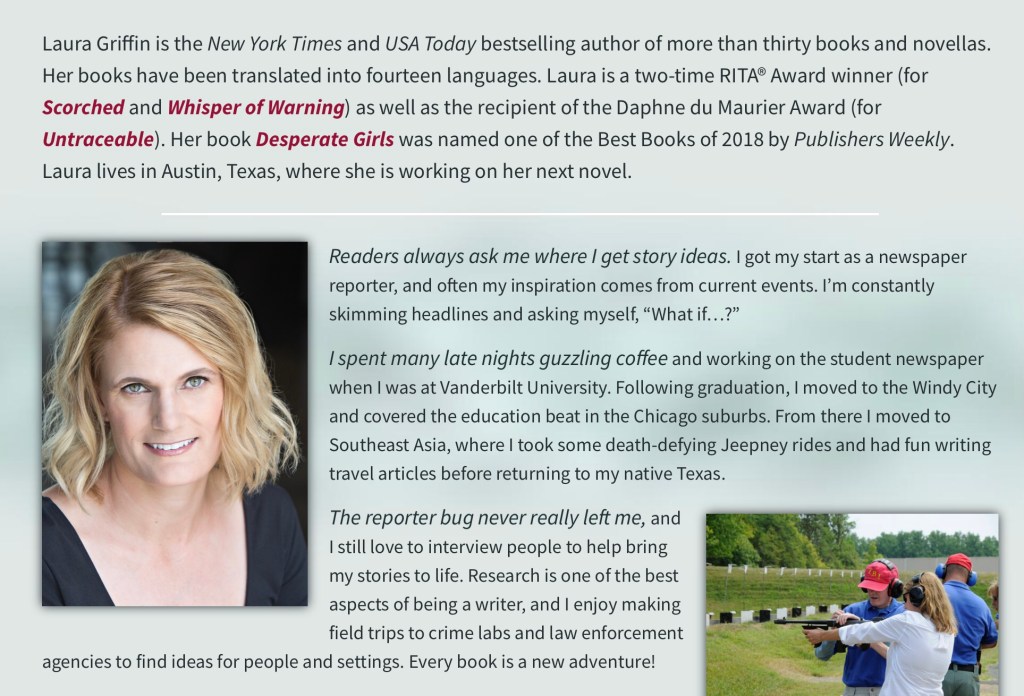
Rated PG-13: violence, sex (not graphic descriptions though)Information and photos from the author’s website at http://www.lauragriffin.com
MIDNIGHT DUNES releases tomorrow, but you can pre-order today. Purchase Links:
This book gets my nomination for book of the year, hands down. It is he breathtaking and awe-inspiring story of a young woman named Mel Ellis who suffers from an eating disorder and a lack of self worth that is slowly killing her. With nothing to lose and everything to gain, she decides to take a pilgrimage on foot from Grand Rapids, Michigan to Mount Ranier in Washington state. The people she meets along the way are both memorable and inspirational. They don’t only insist on feeding her physically, but they also feed her hungry soul. What she is searching for is not found in a protein bar or fewer pounds on the scale, but it is found within herself if she can only survive to discover that truth. This book is a testament to the God who created each of us and who loves each of us as though there is only one of us. Mel realizes that she is damaged goods and throughout the book she has to come to terms with the fact that she can never do enough or be enough to be accepted. She just has to accept that she is. Her pilgrimage is a story that needed to be told and is told in a sweeping saga, complete with beautiful imagery of all that she sees and experiences. My favorite characters besides Mel are Chrystal and David, a sister and her young brother, who offer Mel shelter, first aid and a family that accepts her just as she is. I loved this book and all of its beautiful descriptive passages, but mostly I enjoyed the heartfelt message of hope that it gives. Disclaimer Disclosure of Material Connection: I received a complimentary copy of this book from Revell via Netgalley. I was not required to write a positive review. The opinions expressed are my own. I am disclosing this in accordance with the Federal Trade Commission’s 16 CFR, Part 255, “Guides Concerning the Use of Testimonials and Endorsements in Advertising.”
This is the author’s debut novel and it’s a wow read! This book deals with the sensitive topic of anorexia so may not be for all readers. It is Christian fiction and there are no objectionable scenes or expletives. Rated G.For information about this amazing new author, go to her website at https://autumnlytle.com
This book is available now and I cannot recommend it highly enough. Purchase Links:
I cannot thank Revell enough for introducing me to this debut author! If this book is an example of her stories, then I can’t wait to read more from her!
I am absolutely in love with the SNAP AGENCY series and could not wait to get my hands on this newest one. I was not at all disappointed as it is the best one so far. Telling the story of Kekoa, the gentle computer giant from Hawaii, was brilliant as he is a favorite character with a mystery in his past. I have wanted to know more about Kekoa since book one and this book definitely satisfied my thirst for knowledge about his background. In the latest story, Kekoa is tasked with finding out who is selling secrets from a lab and his discovery actually upsets him. His neighbor, the quiet and unassuming Elinor, appears to be the culprit and Kekoa is overwhelmed with dismay because he is attracted to her. I was also dismayed because I liked Elinor a lot and wanted her and Kekoa to get together. There is a lot of technical information in this book that I can’t say that I really understood, about pigpen codes and algorithms that are dangerous to the person with the skill to decode them. The characters were very well-developed, with a lot of information about Kekoa’s roots and family back in Hawaii as well as Elinor’s beloved grandfather who recently died. There were also some really humorous parts like when Kekoa and Elinor went out in the rain and slid down a grassy hill on boogie boards. Cheehoo! The entire regular cast of the Snap Agency is present, with Walsh taking more of a leading role in this book and Lyla and Garcia still teasing a romantic interlude between them. The plot is fast-paced and intense, with the security of the U.S. at stake and the team plus the FBI working together to find out what is happening and why. I must admit that I was fooled all the way until the reveal about who the villains were. One person I did guess, but not the real motive, so there were lots of great revelations for me at the end. I loved Kekoa’s story and look forward to the next Snap Agency book already. This team is like NCIS, only so much smarter and better! Disclaimer Disclosure of Material Connection: I received a complimentary copy of this book from Revell via Netgalley. I also purchased my own copy because I love this series so much. I was not required to write a positive review. The opinions expressed are my own. I am disclosing this in accordance with the Federal Trade Commission’s 16 CFR, Part 255, “Guides Concerning the Use of Testimonials and Endorsements in Advertising.”